Thailand has administered a contraceptive vaccine to wild elephants for the first time to control their rapidly growing population.
- Thailand has administered a contraceptive vaccine to wild elephants for the first time.
- Three female elephants were vaccinated in Trat province as part of a pilot program.
- Authorities are seeking to curb a population growth considered excessive and reduce human-elephant conflicts.
- The population of wild elephants has increased significantly in recent years, resulting in human and animal deaths.
- The use of animal contraception, however, raises scientific, ethical, and environmental concerns.
Authorities hope to reduce deadly conflicts between humans and elephants, as the population of these protected mammals is rapidly increasing in several provinces in the east of the country.
A first in Thailand to regulate the population of wild elephants

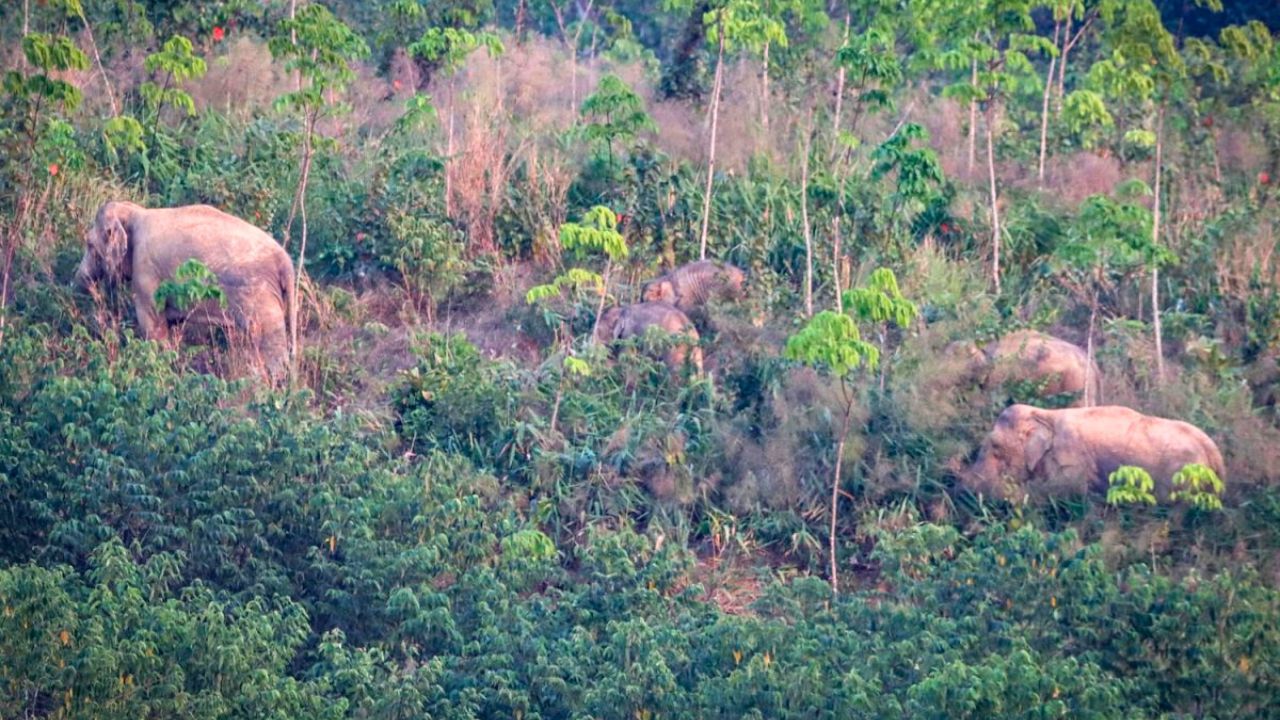
Herd of wild elephants in Thailand. Photo: ASEAN Now
Sukhee Boonsang, Director of the Wildlife Conservation Office, which falls under the Department of National Parks, Wildlife and Plant Conservation (DNP), said:
« Wildlife authorities and a veterinary team administered these injections to three female elephants in Trat province on Monday (January 26, 2026). »
The goal was to manage the population of wild elephants, he told AFP, adding that the birth rate of these mammals in five provinces in eastern Thailand was increasing by about 8% per year, compared to 3% in other regions.
“If we allow this situation to continue, it will lead to more conflicts between humans and elephants in the long run,” said Mr. Sukhee.
Veterinarians and officials administered the vaccines using a dart gun without anesthesia, the conservation office said in a statement.
The increase in the number of elephants exacerbates conflicts with humans

Wild elephants in Kui Buri National Park.
The number of wild elephants in Thailand has risen from 334 in 2015 to nearly 800 last year, not counting the thousands of others in captivity.
Conflicts between humans and elephants have caused nearly 200 human deaths and over 100 elephant deaths since 2012, the office said.
See: Rise in elephant attacks: Thailand turns to contraception
Asian elephants, Thailand's national animal, are classified as an endangered species globally by the International Union for Conservation of Nature.
A vaccine tested and monitored long-term
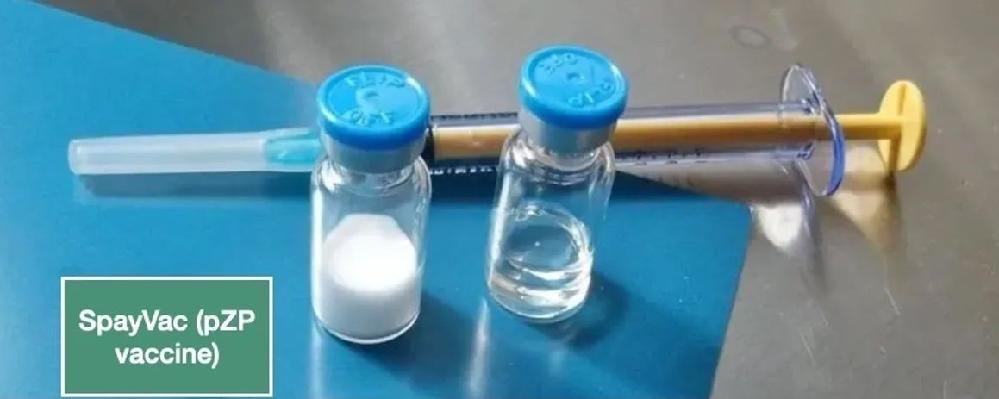
The contraceptive vaccine for elephants SpayVac®.
Mr. Sukhee stated that the three elephants had been examined for any signs of infection, that they were doing well and were 'leading normal lives', adding that his team would perform blood tests every six months.
The vaccine was tested on seven captive elephants in the north of Chiang Mai two years ago, without any side effects, he said.
Fifteen additional doses will be used on elephants from other herds in Thailand before the start of the rainy season in May, said Mr. Sukhee.
A SpayVac injection administered to a female elephant has a contraceptive effect that lasts seven years.
The injections, which do not alter the behavior or physical characteristics of the elephants, only regulate their hormone levels to prevent them from conceiving.
Wildlife officials are seeking to reduce high birth rates and decrease the risk of conflicts between humans and elephants.
A measure that sparks debate
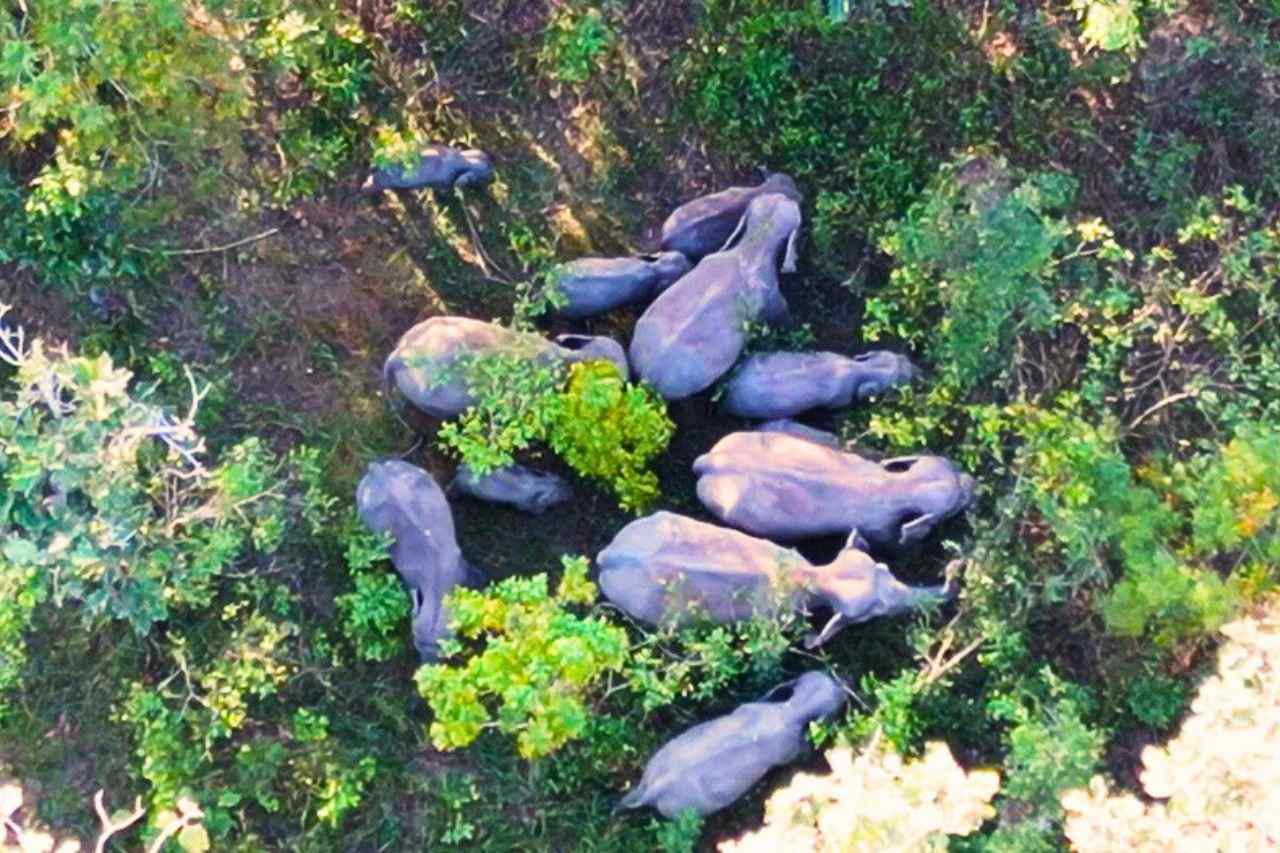
A herd of wild elephants is feeding in the Ban Wang Din So area, in the Wang Takhian sub-district of Prachin Buri province, on December 4, 2024.
If Thai authorities present contraception as an innovative solution to curb the overpopulation of wild elephants and reduce conflicts with local populations, the use of a contraceptive vaccine is a matter of debate.
NGOs, academics and representatives of local communities believe that this approach does not address the root causes of the problem, including the loss of natural habitats and forest fragmentation.
See: Conflicts between humans and elephants in Thailand are due to habitat loss
Some are also concerned about long-term scientific uncertainties, the ethics of hormonal intervention on an emblematic and protected species, as well as the actual effectiveness of the method in a completely wild environment.
See: Thailand: the project to use a contraceptive vaccine on elephants is a matter of debate
See also:
Alarming rise in elephant attacks in Thailand
Thailand: a wild elephant kills a tourist in a national park
2023 has been a bloody year between humans and elephants in Thailand
Source: Bangkok Post
Do you like Toutelathailande.fr?
👉 Leave us a review on Trustpilot.
Your review strengthens the credibility of our work and the trust of our readers.
Useful links to prepare your trip to Thailand
Book bus, train and boat in Thailand
Manage your money while traveling with Wise
If our news, tourist information, or cultural content has been useful to you and you'd like to thank us:
You can follow us on:
Twitter, LinkedIn, Facebook,Google News
Or install our application: Install the application of All Thailand on your smartphone

1 comment
3 injections performed, 15 more to be done by May at the latest…
That's 18 female elephants "sterilized" for 7 years…
Compared to this, 800 wild elephants….
If we consider that there are 50% females, that's 382 females that will remain fertile and can give birth to one or more calves…
Life expectancy of an elephant: between 40 and 60 years for wild elephants, between 50 and 60 years for domesticated elephants…
Obviously, the contraception administered in 2026 will only concern a small percentage (between 4 and 5% of the total wild females) and considering that the young elephants and recently born babies will be adults in 10 to 15 years, it will take about ten years to see a significant decrease in births, provided that sterilization campaigns are renewed regularly every 7 years and the number of sterilized females becomes a majority within 5 years…
A real record of darts games, that’s it!!!