
Beyond tourism figures, another phenomenon is transforming Thailand: that of visitors who choose to stay.
This article provides an in-depth analysis of a discreet but lasting evolution: Thailand is no longer just attracting tourists, it is becoming a country of residence for a growing number of foreigners.
The nationality of visitors and residents is also evolving, reflecting a progressive diversification of foreign profiles in Thailand.
An article by Victor Wong (Peerasan Wongsri), expert in finance and taxation:
Thailand has always known how to attract people.
For decades, visitors have come for obvious reasons: the climate, affordable prices, food, and a lifestyle that seems lighter than the one they left behind.
Ce qui a changé aujourd’hui, ce n’est pas l’attrait en soi, mais qui reste et pour combien de temps.
In 2025, Thailand recorded just over 30 million foreign arrivals, generating around 1,400 billion baht in tourism revenue.
These figures are often cited, usually to demonstrate recovery or growth.
They are important, but they don't tell the whole story.
A more discreet change is taking place behind these spectacular figures.
From visitors to residents
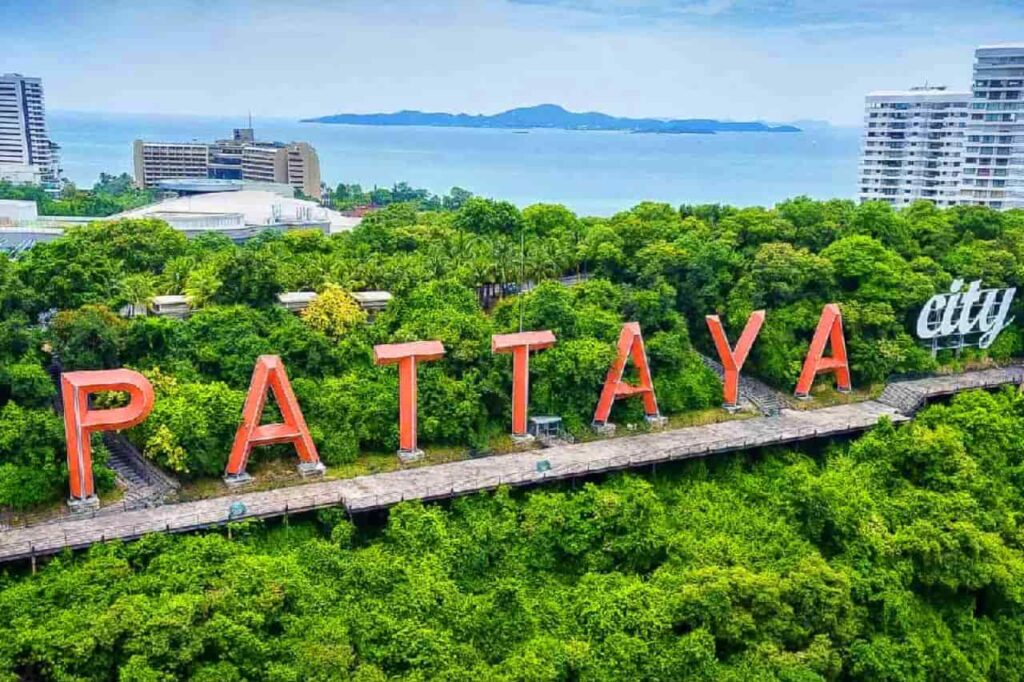
Pattaya Beach Resort.
Cities like Pattaya clearly illustrate this development.
Beyond hotels and passing tourists, Pattaya now welcomes a significant population of long-term foreign residents, retirees, property owners, small business owners, and families who have chosen not only to visit Thailand but also to live there.
According to estimates, the long-term foreign population in Pattaya is between 40,000 and 70,000 people.
They are not seasonal visitors; they rent or own homes, use local hospitals, shop locally, and stay in the city year after year.
Their economic footprint is steady rather than spectacular, but it is substantial.
The profile of visitors has changed
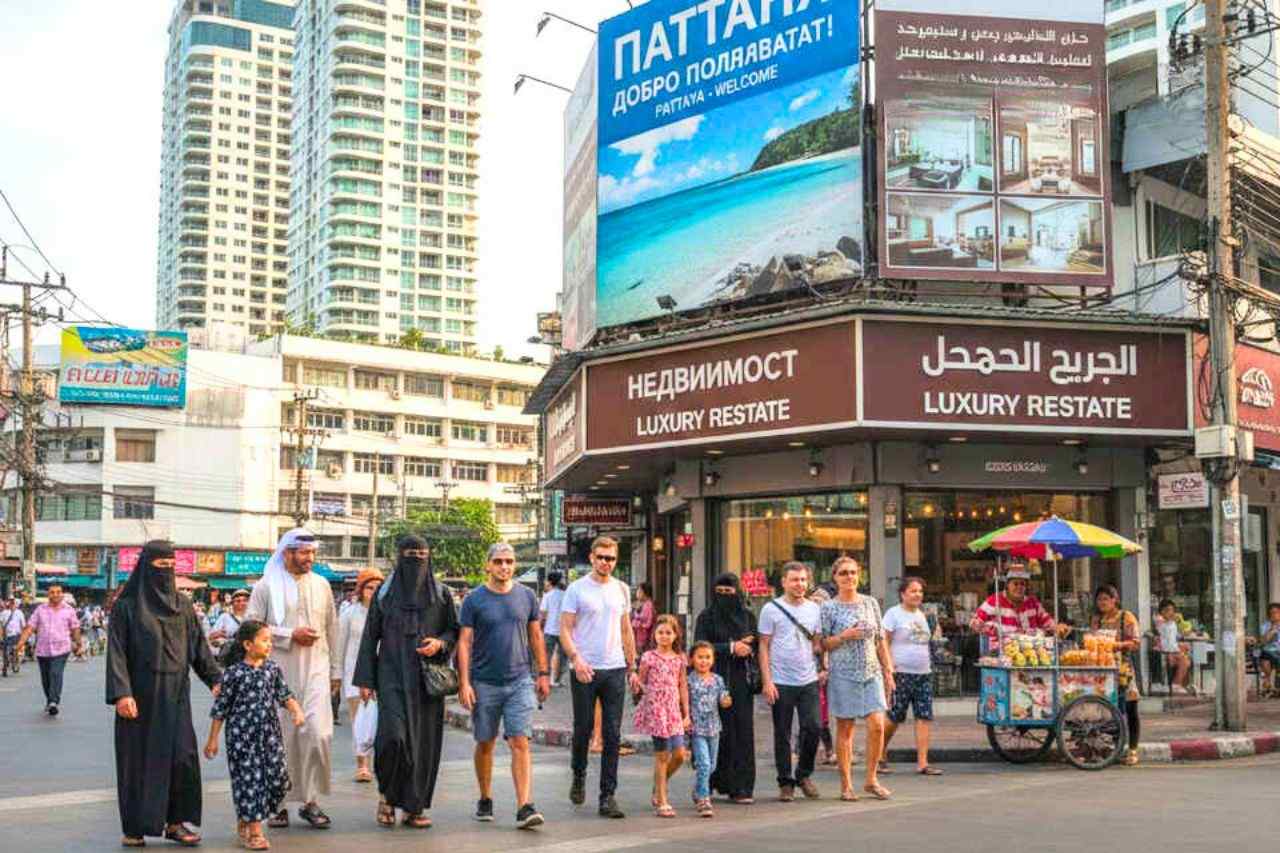
Shopfronts displaying foreign languages and passersby of several nationalities in a street in Pattaya. Photo: Pattaya Mail
For many years, Thailand's opening to foreign countries has focused on three languages: Thai, English and Chinese.
This reflected the reality of the time.
Today, this reality is more complex, Russian nationals are now regularly among Thailand's main sending markets and make up one of the largest long-term resident communities in Pattaya.
Russian signs are no longer just for tourists; they exist because everyday life needs them.
At the same time, visitors from the Middle East, particularly from the Gulf States and Dubai, have become more visible.
While their numbers are modest compared to mass tourism markets, their spending is not.
According to estimates, 150,000 to 200,000 visitors come each year from the United Arab Emirates, with spending per trip well above the global average.
They stay longer, travel with family, and spend a lot on healthcare, real estate, and services.
These are not fleeting trends.
Language as infrastructure
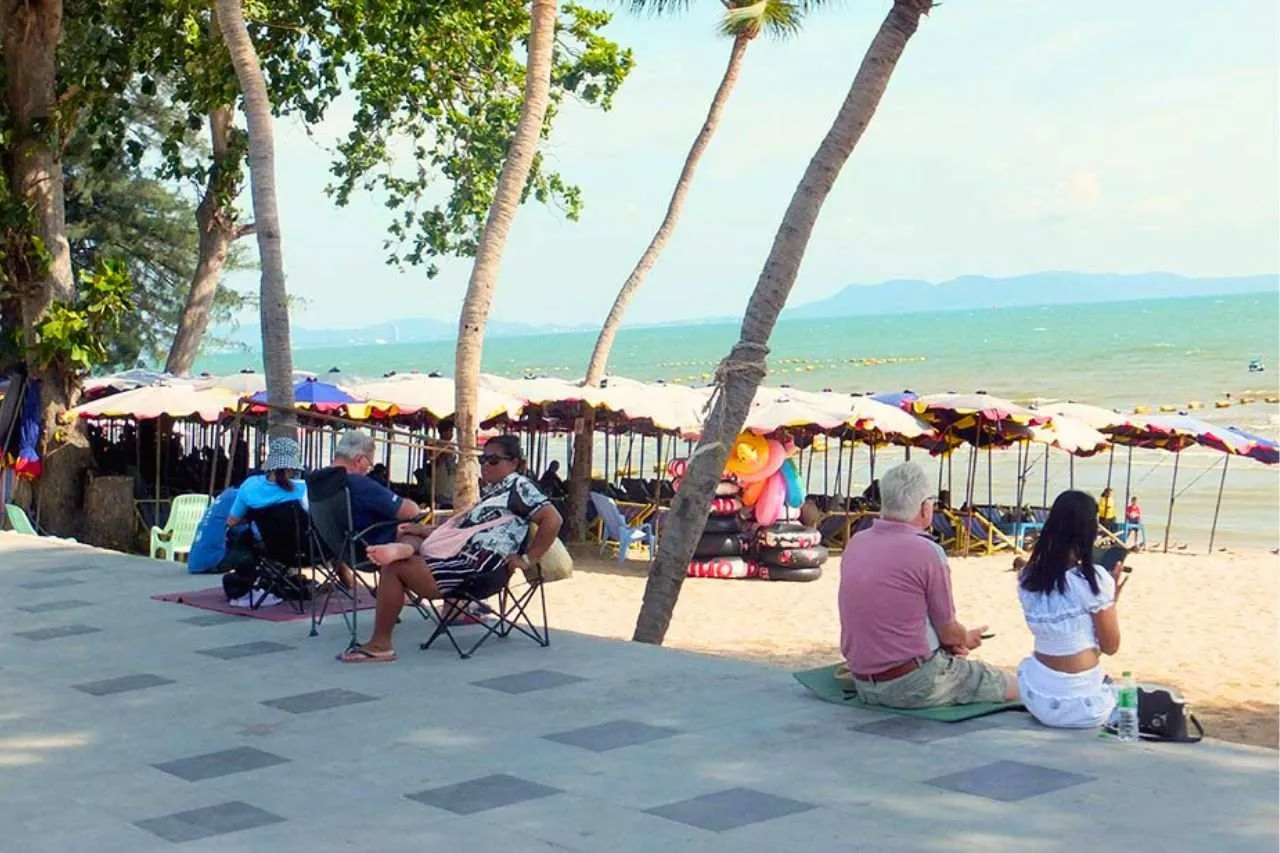
Tourists on a beach in Pattaya. Photo: Pattaya Mail
Language is often considered a "secondary" issue, something desirable but not essential.
In practice, it functions more like infrastructure.
When communication works, business goes smoothly.
When it's not, intermediaries appear, costs rise, and trust erodes.
In Pattaya, many businesses now rely on foreign staff or informal translators to serve their Russian or Arabic-speaking clients.
It works, but it's not a sign of strength.
It's a sign of adaptation that happens without planning.
The goal is not for all Thais to speak Russian or Arabic, but rather to recognize the economic importance of these languages, whether recognized or not.
A country that people choose

Russian women in Koh Samui. Photo: Joshua Resnick.
Thailand remains, in all respects, one of the most attractive countries in Southeast Asia.
People choose it not only for their vacations, but also to spend several years of their lives.
This choice brings opportunities, but also responsibilities.
It's not enough to be welcoming, you have to be ready and know how to adapt smoothly.
In this context, language is not a matter of identity or cultural war, it is a matter of pragmatism.
Countries that thrive are rarely the loudest.
They are the ones who notice changes early and respond without drama.
Thailand has always been attractive, the question now is whether it is ready to adapt, calmly and deliberately, to the world it attracts.
- Thailand no longer attracts just tourists, but a growing number of long-term foreign residents.
- Cities like Pattaya illustrate this trend, with a foreign population settling sustainably.
- The profile of visitors is evolving, notably with the rise of Russian residents and travelers from the Middle East.
- Language becomes an economic and practical issue, just like an infrastructure.
- This silent transformation raises the question of the progressive adaptation of the Thai hospitality model.
See also:
Living in Thailand: the good and the bad sides
Living the life of an expat in Thailand
The guide to retiring in Thailand: everything you need to know
The secret to Thailand's appeal for expatriate retirees?
Thailand ranked 9th among Forbes' 10 cheapest places to live
Source: Pattaya Mail
Prepare your trip to Thailand
Book bus, train, or boat in Thailand
Manage your money while traveling with Wise
If our news, tourist information, or cultural content has been useful to you and you'd like to thank us:
You can follow us on:
Twitter, LinkedIn, Facebook, Google News
Or install our app:
Install the Toute la Thaïlande app on your smartphone
