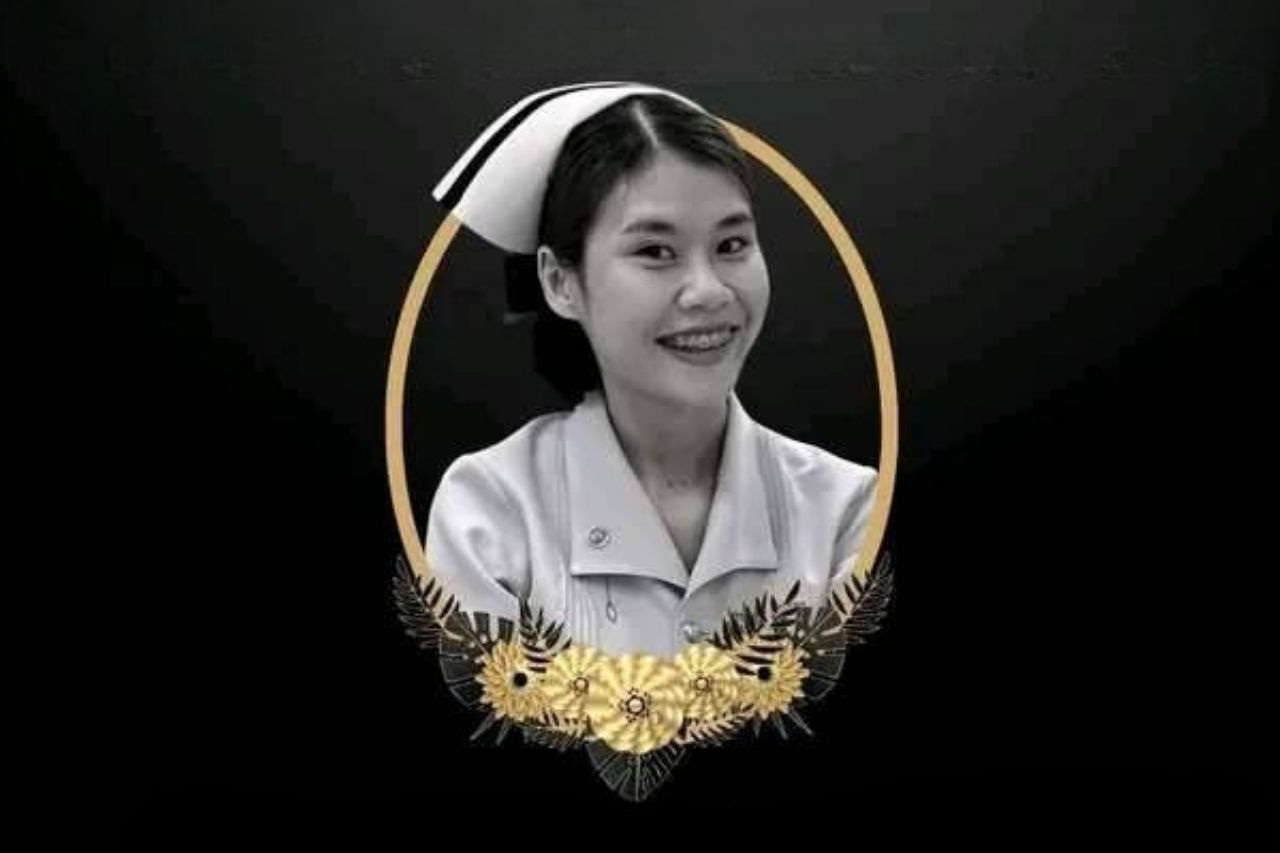
The sudden death of a 30-year-old nurse, who suffered a heart attack during her night shift, has caused shockwaves in Thailand.
- A 30-year-old nurse died of cardiac arrest while working the night shift at Roi Et Hospital.
- The profession has long denounced excessive workloads and what are considered inhumane working hours in public hospitals.
- Nurses often face a lack of staff, supervision and rest time, especially at night.
- Healthcare workers are required to work an average of at least 80 additional hours per month.
- A bill on the protection of healthcare workers, already signed by more than 20,000 people, is awaiting adoption.
The Nurses Association of Thailand has urged the government to take urgent action following the sudden death of their colleague.
She highlighted long-standing concerns about excessive workload and unfair working hours in the public health system.
A tragedy that has shaken the entire nursing community

Nurses and patients during a diabetes test at Klang Hospital in Bangkok in November 2025. Photo: Somchai Poomlard
Associate Professor Wiwat Laochai, a member of the association's executive committee, stated on Monday, January 12:
"This tragedy should serve as a wake-up call for the authorities to expedite the enactment of the bill on the protection of public health personnel.
This project aims to guarantee fair working hours, improve well-being, and strengthen safety measures for medical staff
Dr. Wiwat was commenting on the death of Yuparak Sukwandee, a 30-year-old registered nurse assigned to the women's medicine ward of Roi Et Hospital in northeastern Thailand, who died while on duty during her night shift on Sunday.
The incident attracted widespread public attention after the hospital posted a message of condolence on social media on Sunday.
"This is a heartbreaking loss not only for her family and colleagues, but also for the entire nursing profession.
"This is a blow to the Thai healthcare system," said Dr. Wiwat, expressing his deepest condolences.
He added that this case reflected what he called the "silent sacrifice" of many nurses who continue to work despite fatigue or illness due to staff shortages and their heavy responsibilities.
Crushing hours and little rest: the high-risk daily life of nurses
He pointed out that nurses working evenings and nights often face an intense workload, with limited resources and minimal supervision.
Yet they must make crucial decisions, manage emergencies, coordinate care and ensure patient safety.
All this with very few opportunities to rest.
Dr. Wiwat stated that the deceased nurse had been ill, but chose to continue working, prioritizing her patients and colleagues over her own health.
Although this dedication is widely admired, he stressed that it should never be normalized or considered an acceptable cost for maintaining health services.
"What nurses need is not just praise or condolences after a loss, but real and lasting systemic change," he said.
The association asked:
- A complete overhaul of staff management in public hospitals, particularly with regard to the nurse-to-patient ratio
- Safe working hours
- Adequate rest periods
- Access to sick leave
- Support for physical and mental health, particularly for night staff
“Nurses are not disposable resources.
"These are human beings who have their limits," said Dr. Wiwat, warning that the failure to protect healthcare workers would lead to repeated tragedies.
80 extra hours per month: chilling figures

Medical staff at a hospital in Thailand. Photo: Bangkok Post
Currently, nurses in public hospitals are required to work at least 80 additional hours per month, and the demands are even higher in understaffed facilities.
He expressed his full support for the bill on the protection of healthcare workers, noting that more than 20,000 people had signed it.
The bill, already submitted to the Speaker of the House of Representatives, aims to improve working hours, reduce excessive overtime, and provide fairer compensation.
The Ministry of Health's response after the Roi Et tragedy
Public Health Minister Pattana Promphat offered his condolences and said an investigation would determine if the nurse had any underlying health conditions.
He specified that she had only been working at the hospital for five months.
He added that the department was working to reduce the workload through technology, income adjustments and a new regulatory framework for healthcare staff, separate from regulations applicable to the civil service.
The draft regulation, he said, is currently undergoing consultations before being submitted to the cabinet for consideration and is expected to address issues of fair working hours and pay.
While the authorities promise changes, many nurses continue to work beyond their limits every night, waiting for a real political awakening.
See also:
Thailand: doctors overworked by the free healthcare system, can AI help?
Thailand's Healthcare System on the Brink of Collapse
Source: Bangkok Post
Prepare your trip to Thailand
Book bus, train, or boat in Thailand
Manage your money while traveling with Wise
If our news, tourist information, or cultural content has been useful to you and you'd like to thank us:
You can follow us on:
Twitter, LinkedIn, Facebook, Google News
Or install our app:
Install the Toute la Thaïlande app on your smartphone
