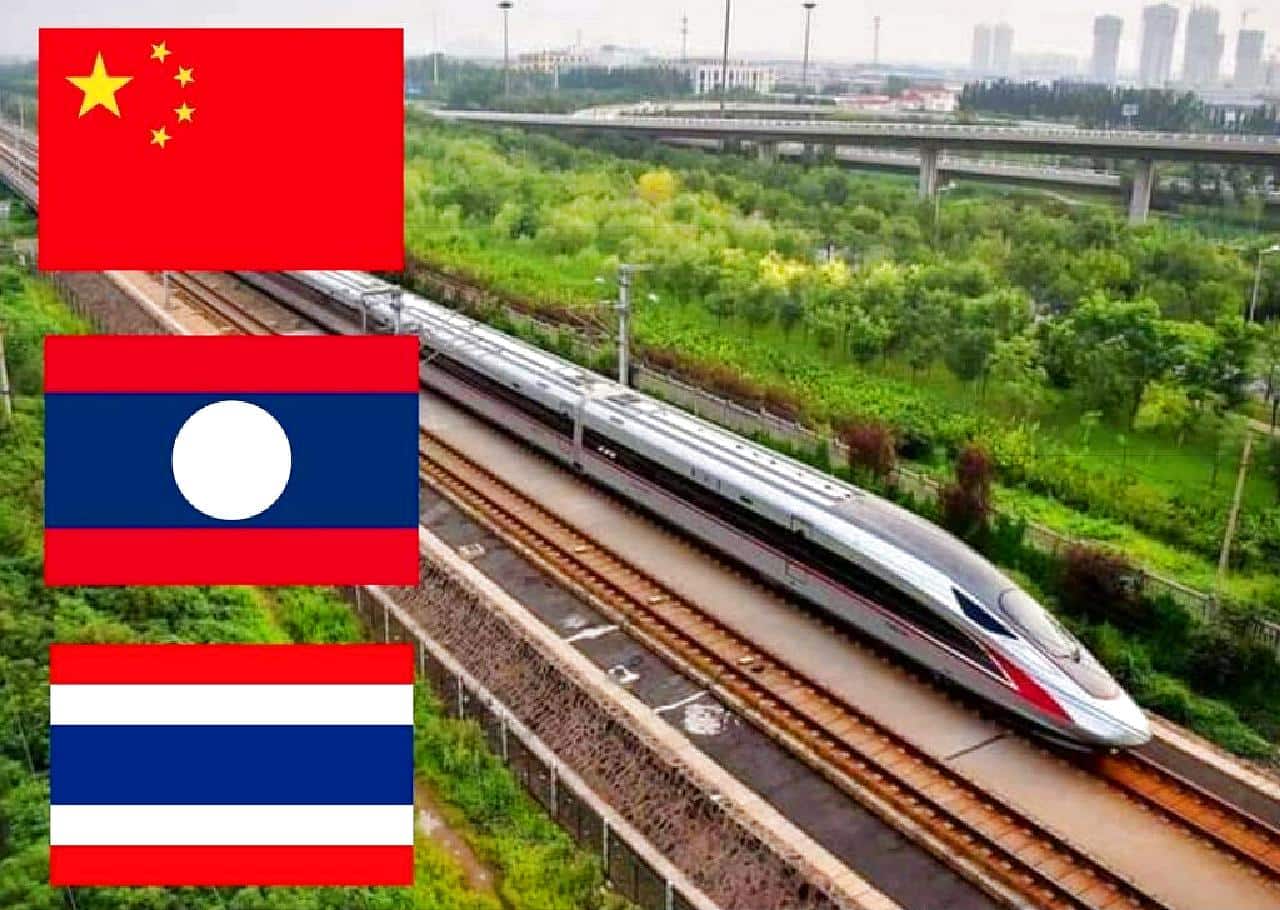
Thailand and China are continuing their high-speed rail project aimed at connecting the two countries within the Asian railway network.
This ambitious infrastructure plan, which aims to connect major Thai cities, from Bangkok to Nong Khai, to China's advanced railway network, has taken considerable delay, spanning over more than a decade without being completed.
A strategic but slow-to-materialize mega rail project
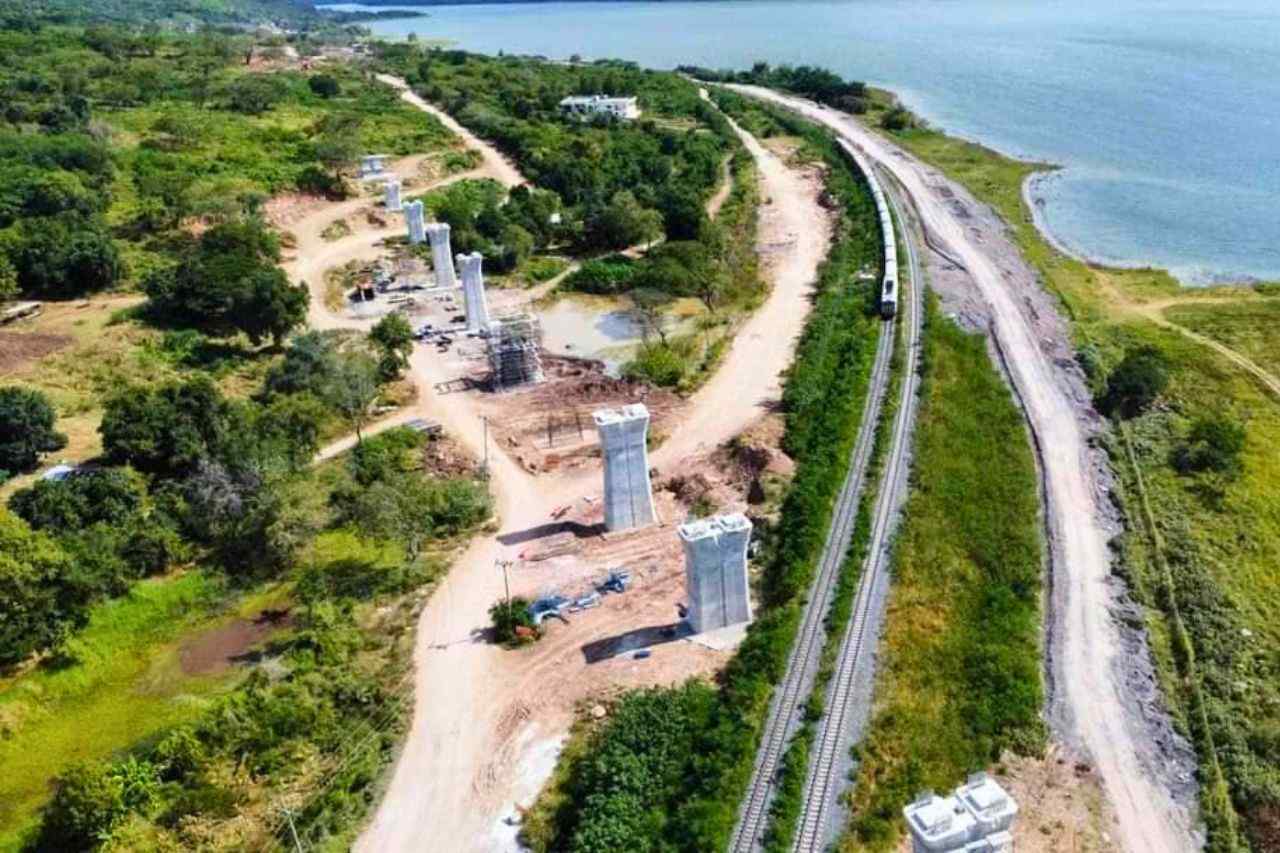
Work on the Thailand-China high-speed train (Bangkok-Nong Khai), phase 1: Bangkok-Korat.
The railway is under construction in several phases in Thailand.
Once the project is completed, it will be the country's first high-speed line.
The first phase, a 253-kilometer line connecting Bangkok to the city of Nakhon Ratchasima, is currently divided into 14 civil engineering contracts, with an additional contract for the railway system and the purchase of trains.
As of September 25, the overall progress stood at 48.6%, according to official data from the Thai railway, and the service is expected to start in 2028.
The total cost of the first phase is estimated at 179 billion baht.
The second phase, from Nakhon Ratchasima to Nong Khai, was approved by the cabinet in February 2025.
It will span 357 km and cost 341 billion baht, with a planned launch in 2031.
The third phase, from Nong Khai to Vientiane in Laos, has not yet been confirmed.
However, there is a single rail link near the first Thai-Lao Friendship Bridge.
This railway is intended to serve as a major link along the Kunming-Singapore central line.
Thai and Chinese journalists debate project delays
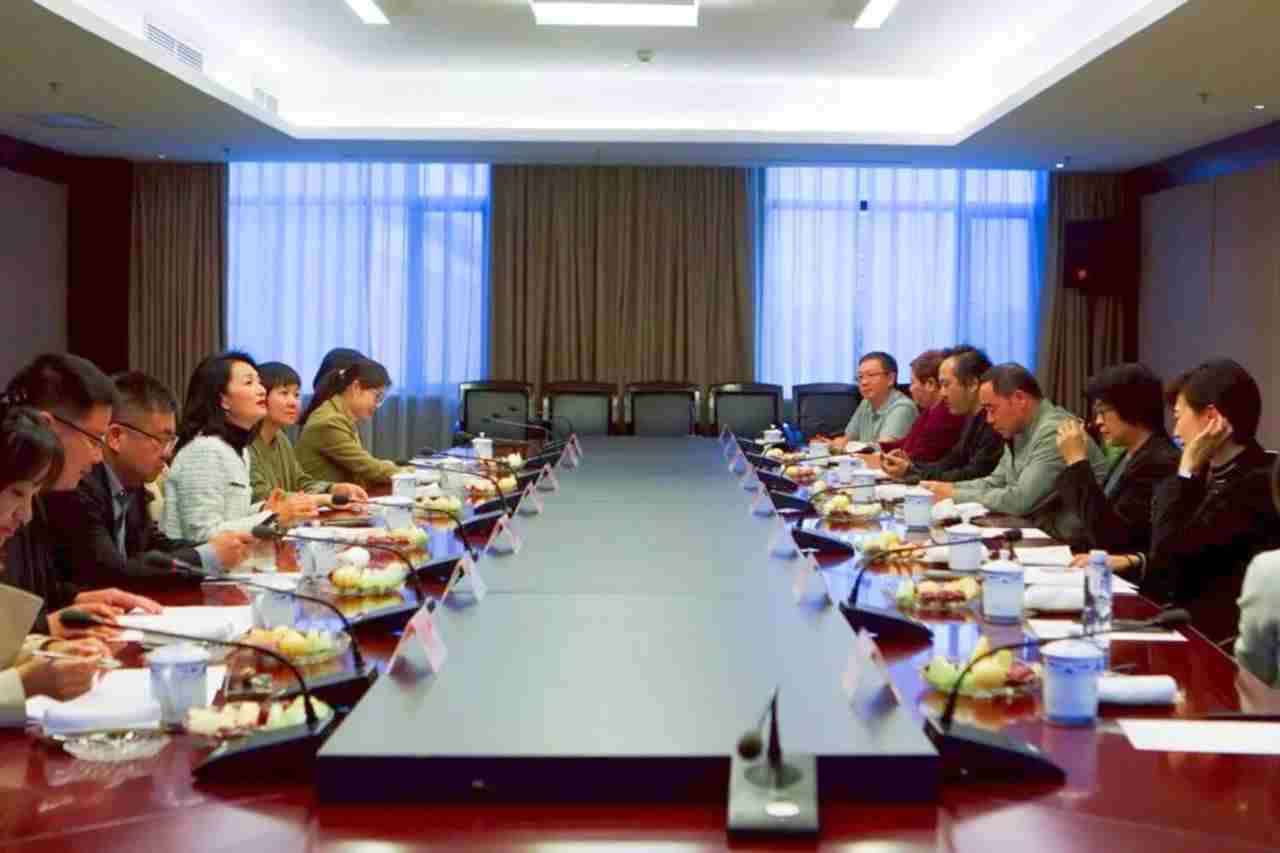
Meeting between Thai and Chinese journalists in October 2025. Photo: Bangkok Post
The issue of the Thai-Chinese high-speed rail project was recently raised during a public debate between members of the Thai Journalists Association (TJA) and the Chinese Journalists Association (ACJA) in China.
Six Thai journalists, led by TJA President Norrinee Ruangnoo, were on a cultural and professional exchange visit.
The delegation visited the city of Lanzhou, in Gansu province, in the central north of the country, as well as Beijing, from October 12 to 16, at the invitation of ACJA.
During the discussion, Thai journalists expressed concern about the slow progress of the rail project.
"It's been over ten years, and the project is still not completed," said a Thai journalist.
“If it had been completed earlier, it would have already brought us closer to China.”
However, the Chinese participants in the conversation expressed a different view.
Li Xiaojun, deputy director of public relations of the Provincial Committee of the Communist Party of China in Gansu and director of the Information Office of the Gansu Provincial Government, said:
"I personally benefit from the high-speed rail system.
In fact, most Chinese people are proud when they talk about it.
She highlighted China's leadership in the field of rail technology, citing its expertise in design, manufacturing, and planning.
The discussion also focused on China's role in setting up the high-speed train in Laos.
Ms. Li stated that she visited Laos last April and was very impressed by the positive impact of the China-Laos railway.
“The locals are happy.”
“This has improved transportation and even changed people's lives on the ground,” she said, adding that such projects could strengthen bilateral relations and improve living standards.
For the future, she stated that she hoped Thailand would accelerate the development of its rail infrastructure project.
"I would really like to take the high-speed train one day to travel to Thailand and explore the country.
“It’s not just about speed, but also about the experience, the beautiful landscapes, and the journey itself,” she said.
The participants in the discussion agreed:
"As Thailand continues to navigate the complexities of infrastructure development, the high-speed train remains a symbol of regional connectivity, technological ambition, and common aspirations between the two nations."
Delays, disagreements and mistrust: the brakes on cooperation
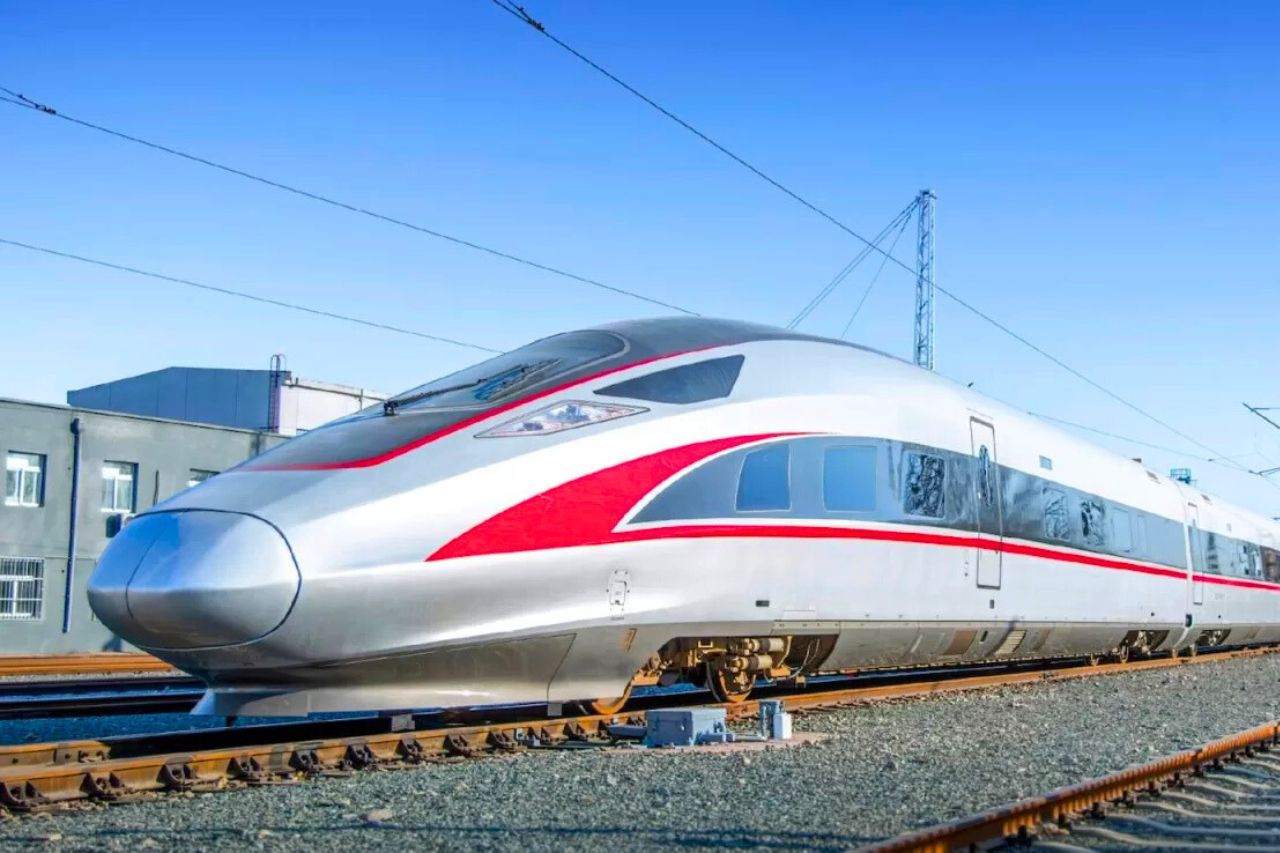
A Fuxing Hao CR300 train manufactured by CRRC in China is expected to be used on the high-speed rail line between Bangkok and Nakhon Ratchasima. Photo: Bangkok Post
While the vision of a high-speed rail network connecting China to Southeast Asia without interruption remains appealing, the Thai segment of the project has become a subject of frustration and debate.
We are also waiting, said another Thai journalist.
"If the project is completed one day, we will be there to welcome our Chinese friends at the station."
The launch of the project was delayed by disagreements over the loan conditions proposed by China, which led Thailand to decide to finance some parts of the line itself.
The transfer of technology and the requirements relating to Chinese materials and labor have also been points of friction for Thailand.
Beyond the construction delays, concerns have also emerged about the role of Chinese investors.
Some Thai participants expressed their discomfort with the perceived isolationism of Chinese companies operating along the railway line.
“Investors often stay among themselves and do not engage much with local communities,” said another Thai panelist.
This creates a sense of separation.
Others echoed this sentiment, suggesting that Chinese companies be more transparent and inclusive.
"If the Chinese government is aware of this, it could perhaps encourage better communication and better integration," said the Thai speaker.
“It’s not just about building railways, but also about building trust.”
Chinese participants acknowledged that these concerns were legitimate.
"Yes, it's a problem," said a Chinese journalist.
“Even in China, companies do not always communicate effectively with the media or the public.”
As the high-speed rail project remains stalled in Thailand, the debate has also shifted from engineering to diplomacy, transparency, and regional cooperation.
The golden jubilee of Sino-Thai relations brings the two nations closer

A special performance of the Chinese opera Dao Ma Dan was given during the China-Thailand roundtable to organize the golden jubilee celebrations on November 19, 2024.
On the occasion of the 50th anniversary of diplomatic relations between Thailand and China, Mrs. Norrinee highlighted the long-standing cooperation between Thai and Chinese journalists' associations.
She noted that the golden jubilee of diplomatic relations this year provides a unique opportunity to deepen collaboration.
"This important step reflects the lasting friendship between our two countries and opens up new prospects for media cooperation in the future," she said.
Ms. Li, for her part, said she was ready to welcome more Thai journalists interested in the way of life and the media landscape of Gansu.
She also emphasized the importance of mutual understanding through direct experience and cultural exchanges.
The TJA and ACJA have maintained a strong partnership for 25 years, regularly organizing exchange programs and delegation visits.
These initiatives have fostered dialogue between media organizations, allowing participants to explore various perspectives on journalism, culture, economy, technology, and social issues.
This collaboration not only strengthens professional networks between journalists from both countries, but also promotes public understanding through transparent, accurate and constructive communication.
To conclude, Mrs. Norrinee said:
The TJA remains committed to advancing this partnership, with the aim of strengthening the capacities of Thai media professionals and supporting the role of journalism in promoting peace, mutual understanding, and international friendship.
- The Thailand-China high-speed train project is progressing slowly, with a scheduled launch in 2031.
- Thai journalists are expressing their frustration at the delays and conditions imposed by Beijing.
- This project is part of the 50th anniversary of diplomatic relations between the two countries.
See also:
Thailand is making rapid progress on the high-speed rail project to China
Departure of the 1st Thailand - China train
Travel by train in Thailand: itineraries, tips and good deals
China-Thailand Railway: a new era of connectivity
Source: Bangkok Post
Do you like Toutelathailande.fr?
👉 Leave us a review on Trustpilot.
Your review strengthens the credibility of our work and the trust of our readers.
Useful links to prepare your trip to Thailand
Book bus, train and boat in Thailand
Manage your money while traveling with Wise
If our news, tourist information, or cultural content has been useful to you and you'd like to thank us:
You can follow us on:
Twitter, LinkedIn, Facebook,Google News
Or install our application: Install the application of All Thailand on your smartphone

2 comments
It's been a long time coming and I think I'll be dead before (no, I'm sure) the famous link to Singapore.
The 300 billion baht tax too, for how many years?
Pattaya accelerates Green Line monorail to build smart tourism city
“Another thing,” we’ve been talking about it for a long time, but we haven’t seen the beginning of it.