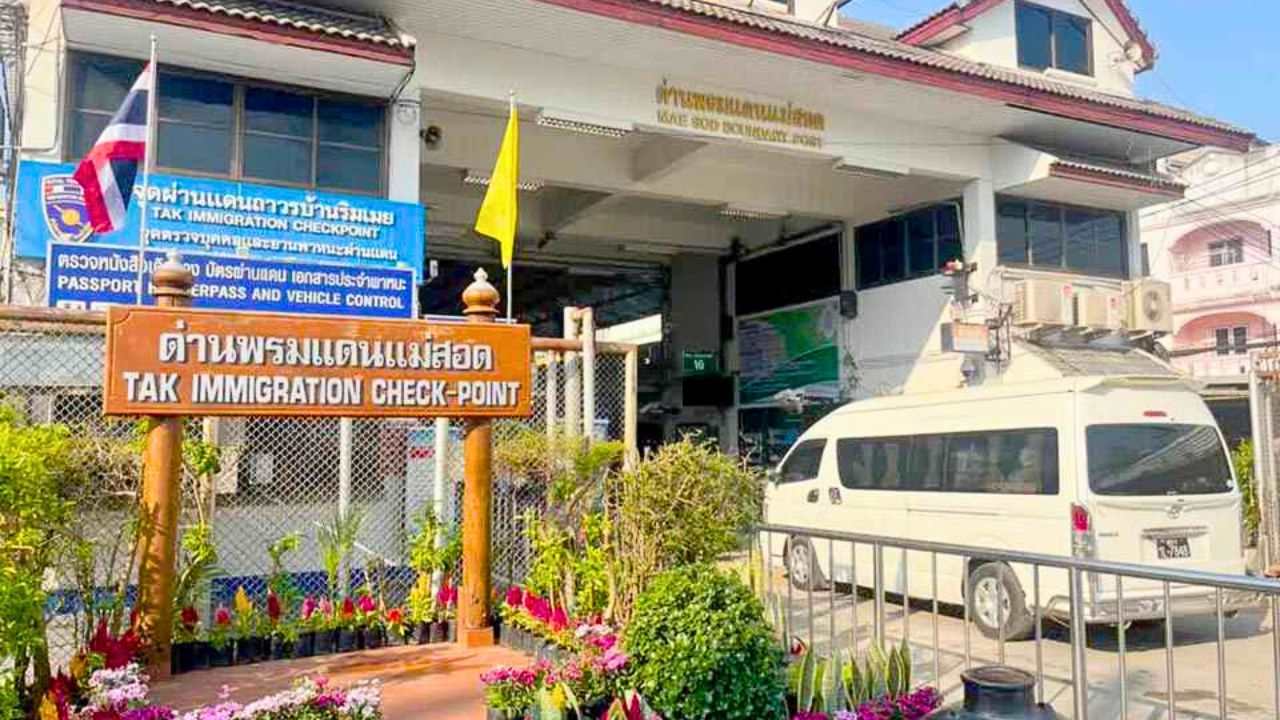
In 2026, Thailand does not introduce a new major law on visas, but applies existing rules more strictly.
- In 2026, visa policy evolves mainly through stricter application of existing rules, without major legislative reform.
- Visa exemptions remain in force, but repeated entries, extended stays, and short exits are now scrutinized more closely.
- Entry and extension decisions are increasingly discretionary and are no longer automatic.
- The DTV visa offers legal security for long stays, but entails clear recognition of tax residency.
- Conversely, the LTR visa has been relaxed to attract long-term residents whose status matches their actual lifestyle.
This discreet change profoundly modifies the living conditions of expatriates and long-term visitors, particularly those who relied on visa exemptions or repeated tourist stays.
More than formalities, it is now actual practices that are assessed by immigration.
What concrete changes for expatriates in Thailand in 2026
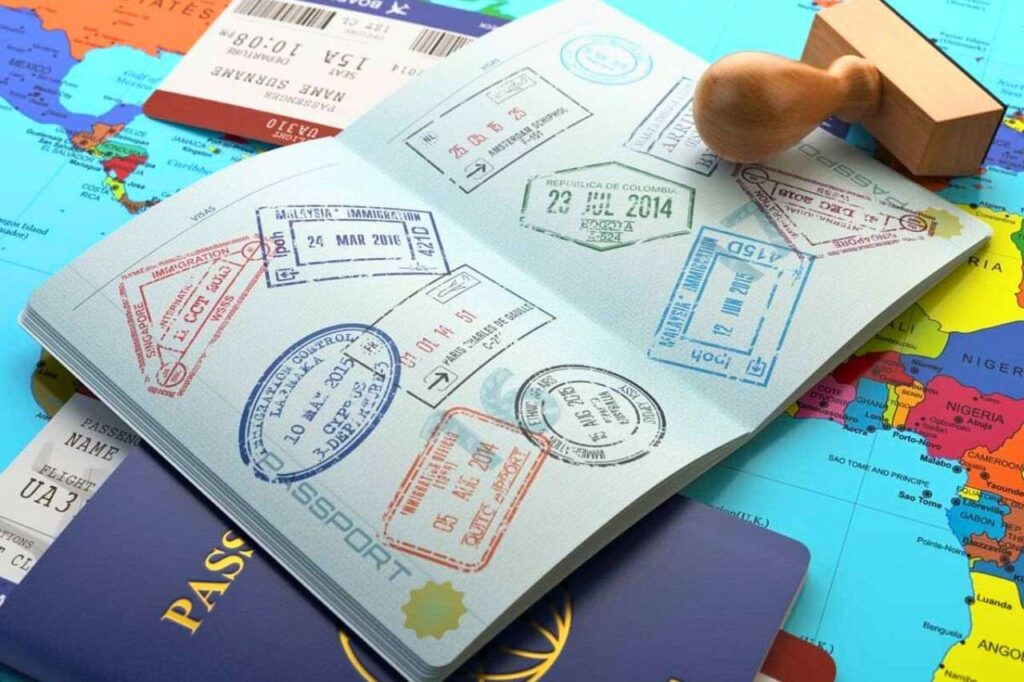
Pages of a passport filled with visa stamps. Photo: Jakarta Post
Much of the discussion around visas in Thailand focuses on rumors, anecdotes, and panic on social media.
In reality, the most significant development in 2026 is more discreet and more structural: the enforcement of immigration laws is now aligned with political intent.
No new radical law has been introduced.
On the contrary, existing rules are applied more consistently, particularly in cases where short-term visas are used for long-term stays.
This change is significant because it affects the outcomes, not the administrative formalities.
Visa exemptions: unchanged rules, different results
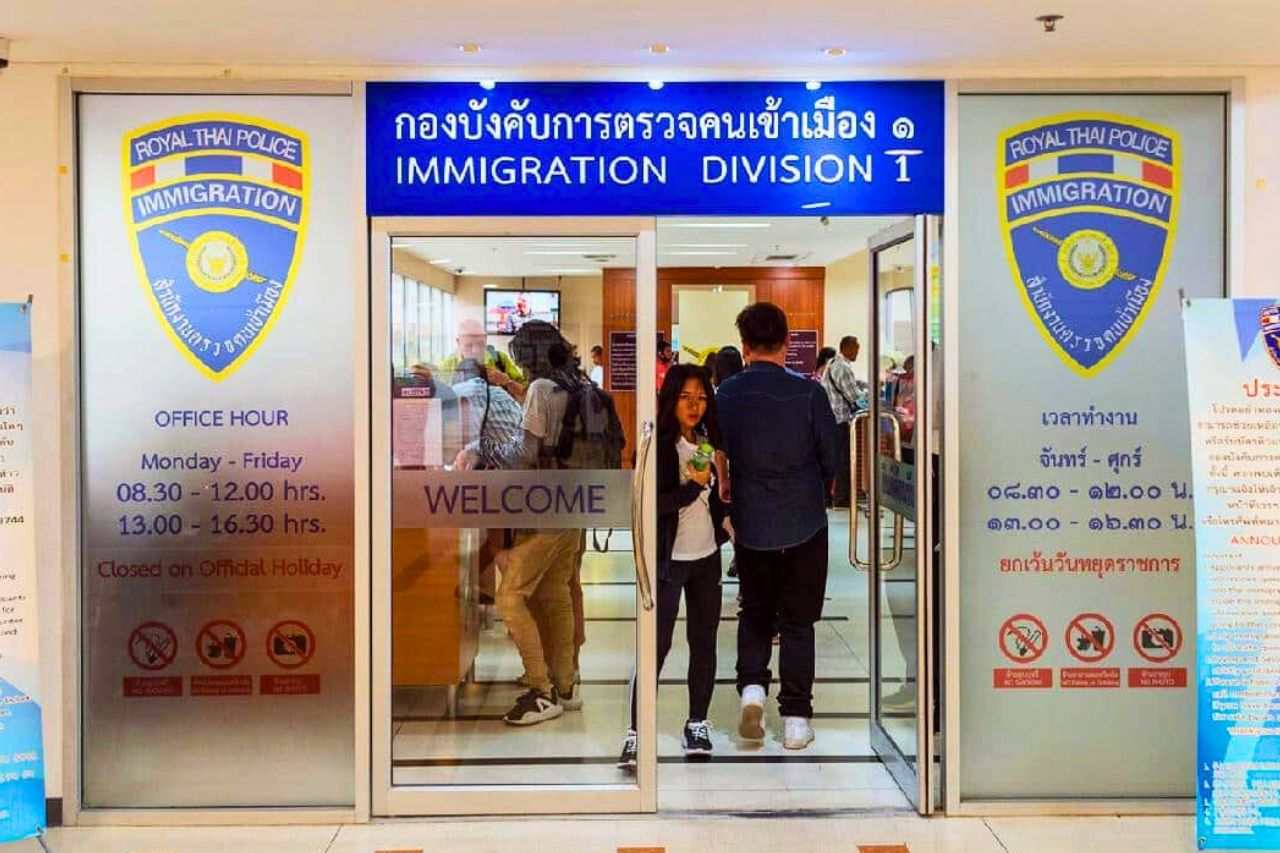
Entrance of an immigration office in Thailand.
On paper, nothing has changed regarding visa exemptions.
Eligible nationals still benefit from a 60-day stay upon entering the country, with the possibility of a 30-day extension.
These rights are always reset each year.
What has changed is the way stay patterns are evaluated.
Immigration officers are increasingly examining the cumulative travel history rather than isolated entries.
Frequent arrivals, minimal time spent outside Thailand, and repeated extensions are now subject to more thorough examination.
In concrete terms, this means that entry decisions are no longer automatic, extensions are discretionary rather than systematic, and land border crossings are more strictly limited and less flexible.
This is not a crackdown, but the logical application of a long-standing principle: visa exemptions are intended for visitors, not residents.
Why "it worked before" is no longer a strategy

Multiple-entry tourist visa. Photo : The Wayfaring Soul
Many long-term expatriates emphasize that they have used visa exemptions or tourist visas for years without issue.
This observation may still be true in fact, but it is no longer predictive.
Immigration systems do not need to act uniformly to be effective.
Selective application, even when implemented gradually, modifies behaviors at all levels.
The absence of issues in the past does not indicate future tolerance; it simply reflects prior discretion.
In 2026, this discretion is reduced.
See: Thai Visa: many tourists turned back, the vagueness of the rules worries
DTV Visa: clarity has consequences
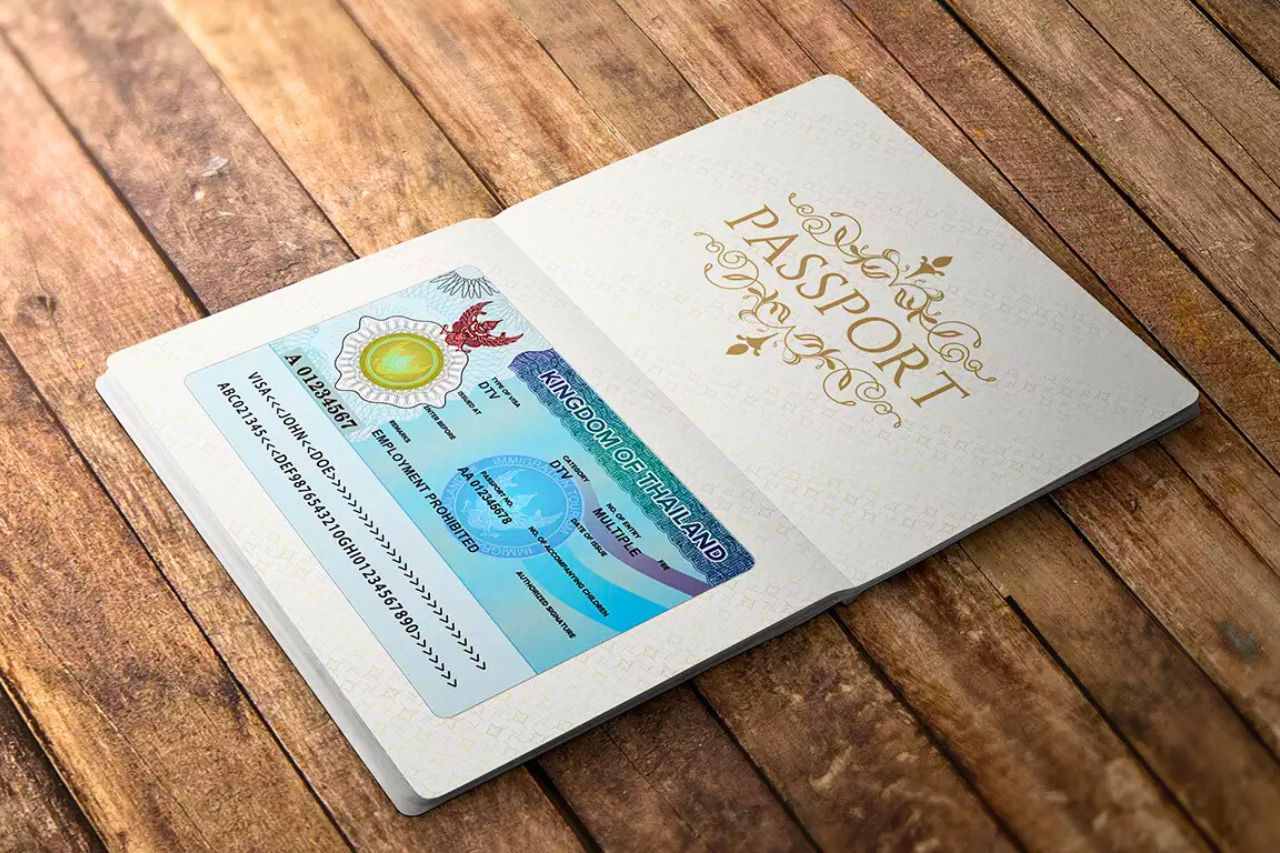
Thailand Destination Visa. Photo: Thai Embassy
The Destination Thailand Visa (DTV) has become the default option for foreigners who are independent of their place of residence and wish to stay long-term without ambiguity.
Its structure is simple: 180 days per stay, renewable once; validity of five years with multiple entries; and financial proof of 500,000 baht held in a personal account for at least three months.
See: What you need to know about the Thailand Destination Visa (DTV)
What deserves more attention is not the visa itself, but its implications.
Spending more than 180 days in Thailand during a fiscal year establishes Thai tax residency.
See: Thailand: instructions on the new tax on foreign income
In 2026, this classification is no longer theoretical; it entails real consequences in terms of compliance, particularly regarding income from abroad.
The DTV offers legal security in terms of immigration, but it also removes any possibility of plausible denial in tax matters.
LTR Visa: a deliberate signal
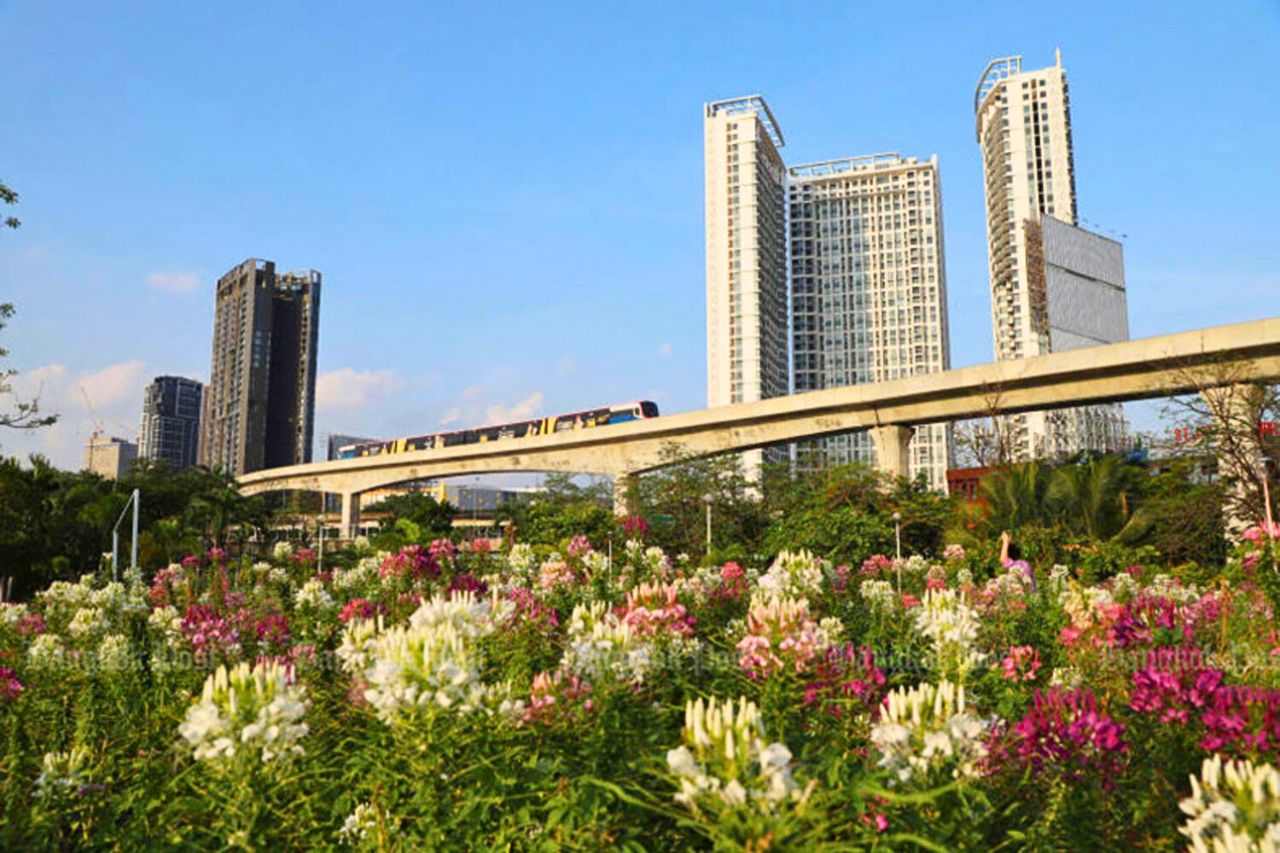
Condominiums rise above Chatuchak Park in Bangkok. Photo: Pattarapong Chatpattarasill
While controls have been tightened for short-term stays, Thailand has made its long-term resident visa (LTR) more accessible.
Income thresholds have been relaxed, employer requirements reduced, and administrative formalities simplified.
See: Long-Term Resident Visa (LTR) in Thailand: requirements and qualifications
The incentives remain substantial: annual declaration instead of controls every 90 days, preferential tax treatment for eligible professionals and long periods of validity.
The message is consistent: Thailand continues to welcome long-term residents, provided their legal status corresponds to their actual lifestyle.
A policy orientation, not a temporary phase
View of Bangkok
What happens in 2026 should not be considered a temporary cycle or an excessive reaction.
This reflects a broader readjustment: clearer visa categories, clearer expectations, and fewer informal solutions.
For expatriates, the question is no longer whether the old system will return, but whether it makes sense to continue to rely on it.
The end of the era of "visa runs" does not arrive with headlines or crackdowns.
It arrives thanks to predictability.
Those who align their visa status with their actual lifestyle in Thailand will find the system increasingly stable.
Those who do not will face growing uncertainty, not because the rules have changed, but because they are finally being enforced as intended.
See also:
Alert in Thailand: Travelers Refused Entry Due to Lack of Proof of Financial Means
Thailand: No, visa-free entry is not limited to twice a year
Source: Pattaya Mail
Do you like Toutelathailande.fr?
👉 Leave us a review on Trustpilot.
Your review strengthens the credibility of our work and the trust of our readers.
Useful links to prepare your trip to Thailand
Book bus, train and boat in Thailand
Manage your money while traveling with Wise
If our news, tourist information, or cultural content has been useful to you and you'd like to thank us:
You can follow us on:
Twitter, LinkedIn, Facebook,Google News
Or install our application: Install the application of All Thailand on your smartphone


 , then