
Thai automotive exports have dropped by 12%, due to the decline of internal combustion engines and increased competition from electric vehicles.
According to the Thai Industrial Federation (FTI), Thailand's automotive exports declined by 12% year-on-year between January and November, to stand at 78,692 units.
Internal combustion engine (ICE) vehicles have lost ground in foreign markets amid increasing competition.
According to Surapong Paisitpatanapong, FTI Vice President and spokesperson for the Federation's Automotive Industry Club, this decline is due to:
- The gradual phasing out of ICE models by global automakers in favor of battery electric vehicles (BEVs)
- New taxes on carbon emissions from gasoline-powered cars in certain countries
- The economic slowdown among Thailand's trading partners
In addition to these structural factors, there is growing competitive pressure from China.
Competition from Chinese electric vehicles is weighing on Thai exports
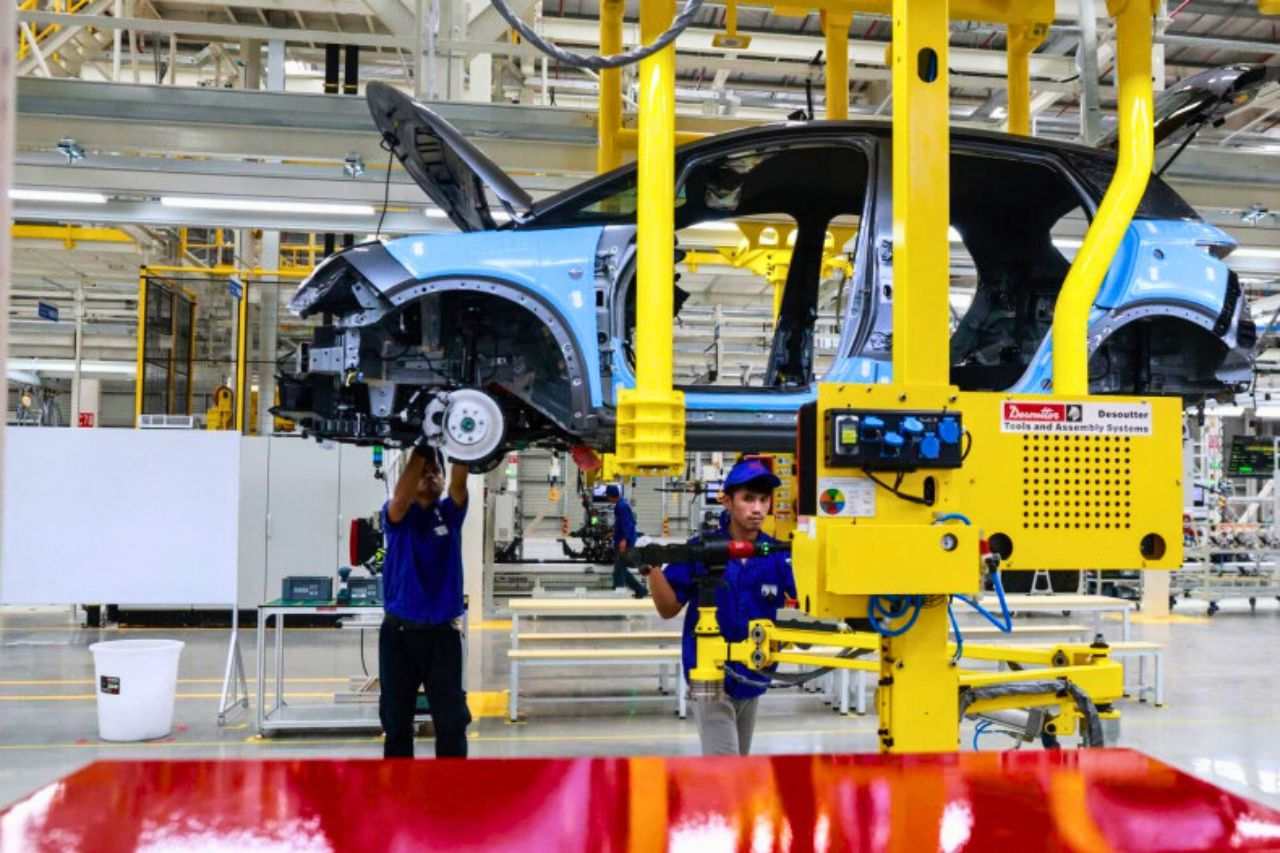
Workers assemble a BYD Dolphin compact electric hatchback at the company's new factory in Nikhom Phatthana, Rayong province. Photo: Bloomberg
Surapong stressed that the sharp increase in Chinese BEV exports has surpassed that of Thailand, which still heavily relies on internal combustion engine vehicle shipments.
Exports to Asia fell by 5.64%, to Australia by 16%, and to the EU by 33% during this period.
The Middle East was a glimmer of hope, with a slight increase of 0.45%.
Despite the slowdown, Thailand remains a major exporter in Asia and Oceania, said Mr. Surapong.
The domestic market supported by lower rates and the electric vehicle boom

Traffic on a road in Thailand. Photo: Robert Eklund
Nationally, car sales rose 5.2% year-on-year to 546,045 units in the first 11 months, with November sales surging 20.6% to 51,044 units.
He attributed this growth to:
- More affordable prices for battery electric vehicles (BEVs)
- The decrease in interest rates following the reduction of the Bank of Thailand's policy rates
- During the major promotions over the 12 days of the Thailand International Motor Show, which ended on December 10
BEV sales are expected to reach 120,000 units this year, exceeding the target of 100,000 units, thanks to the demand generated by the Motor Show.
The club maintains its production target for 2025 at 1.45 million units, with 950,000 destined for export and 500,000 for the domestic market.
Mr. Surapong acknowledged that exports may not reach the set target, but domestic production could reach 600,000 units.
Automotive production: the transition to electric vehicles is confirmed in Thailand
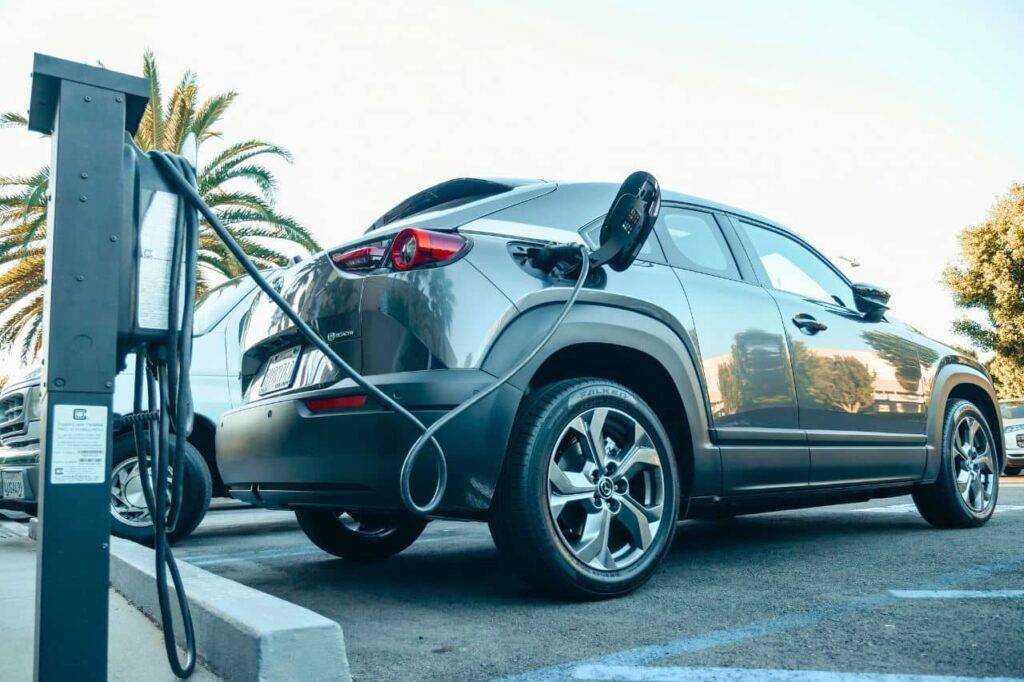
Electric car charging. Photo: Kindel Media
Thai automobile production in November increased by 11% year-on-year to reach 130,222 units, thanks to the increase in the manufacture of battery electric vehicles (BEV) under the government's incentive programs.
However, total production from January to November fell by 1.6% to 1,341,714 units.
Following the general election scheduled for early next year, the club expects the new government to put in place additional economic measures to stimulate growth and boost investor confidence.
These measures should benefit both the automotive industry and the economy, he said.
- Thai automotive exports fell by 12% in the first eleven months of the year.
- The decline of thermal vehicles and the rise of electric cars are weighing on export sales.
- Competition from Chinese electric vehicles is increasing pressure on the Thai automotive industry.
- Despite this slowdown, the domestic market and BEV production continue to grow.
See also:
Thailand: 40 deaths per day on the roads, drink-driving is to blame
In Thailand, hybrid cars are more successful than electric vehicles
Thai man invents car that runs on water
Thailand is the 2nd largest exporter of tires for electric vehicles
Source: Bangkok Post
Prepare your trip to Thailand
Book bus, train, or boat in Thailand
Manage your money while traveling with Wise
If our news, tourist information, or cultural content has been useful to you and you'd like to thank us:
You can follow us on:
Twitter, LinkedIn, Facebook, Google News
Or install our app:
Install the Toute la Thaïlande app on your smartphone
