Thai industrial and exporting sectors face 2026 under the weight of a complex set of national and global pressures.
This raises concerns about competitiveness, trade stability, and economic growth.
The Thai Industrial Federation (FTI), the Joint Standing Committee on Commerce, Industry and Banking (JSCCIB), the Thai Chamber of Commerce and the Thai National Shippers' Council (TNSC) have issued assessments and recommendations.
Economic and Industrial Outlook
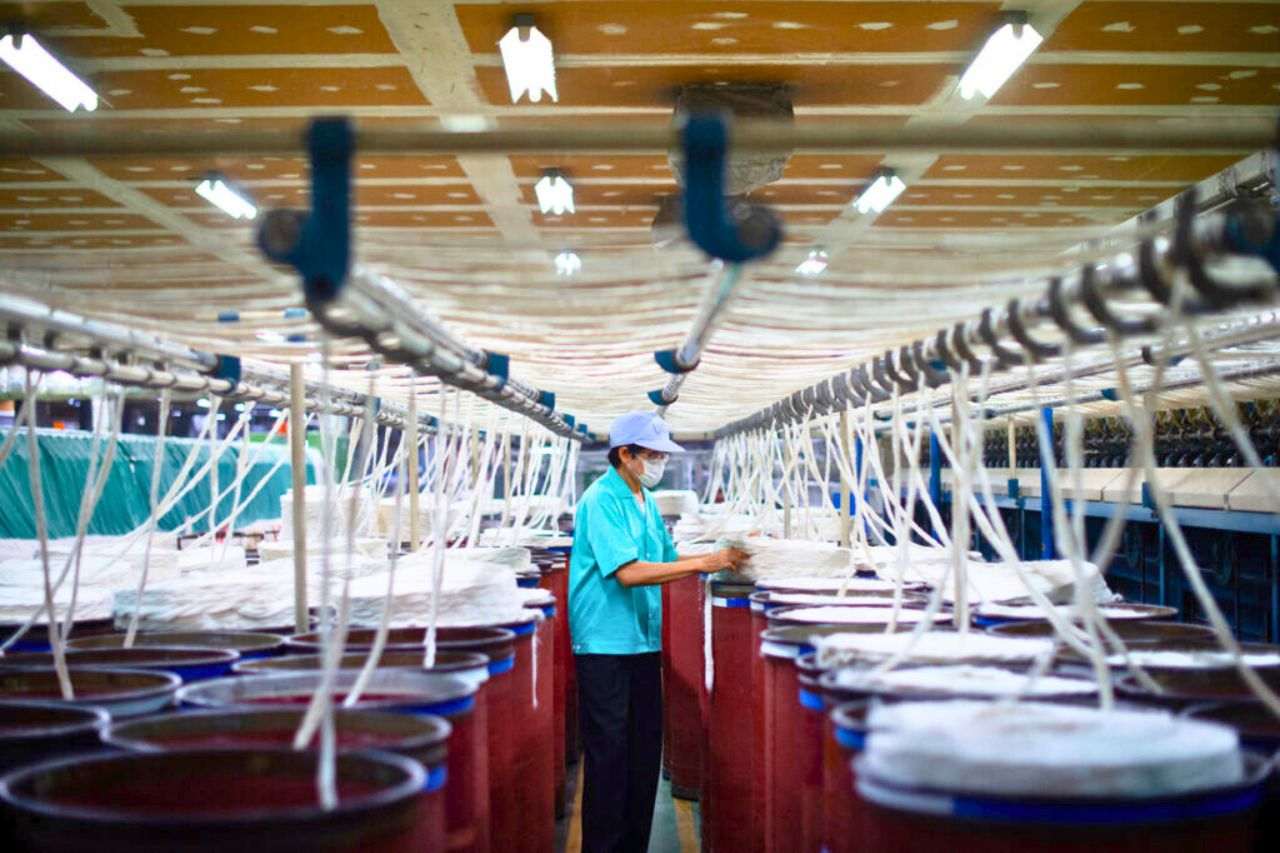
Industry in Thailand. Photo: Thai PBS World.
The FTI, under the presidency of Kriengkrai Thiennukul, described the economic environment as a "perfect storm".
This combines high global volatility, persistent geopolitical tensions and a tightening of commercial and environmental regulations.
To these factors are added long-standing national structural constraints, which now pose serious challenges to Thai industrial competitiveness.
The JSCCIB expects Thailand's economy to grow by only 1.6 to 2.0% in 2026, down from 2.0% in 2025, reflecting the pressures on the manufacturing industry, employment, and domestic purchasing power.
Many industries are operating at less than 60% capacity, highlighting the vulnerabilities of the manufacturing sector.
The FTI and JSCCIB believe that Thailand needs to accelerate its economic restructuring as part of the "Reinvent Thailand" initiative.
The goal is to modernize the manufacturing sector to move from an OEM production model to higher-value-added industries.
They also call for further promotion of technology, innovation, automation, and the development of clean energy.
They recommend developing R&D, technology transfer, support for SMEs, and public procurement of at least 30% of products manufactured in Thailand.
Export Risks
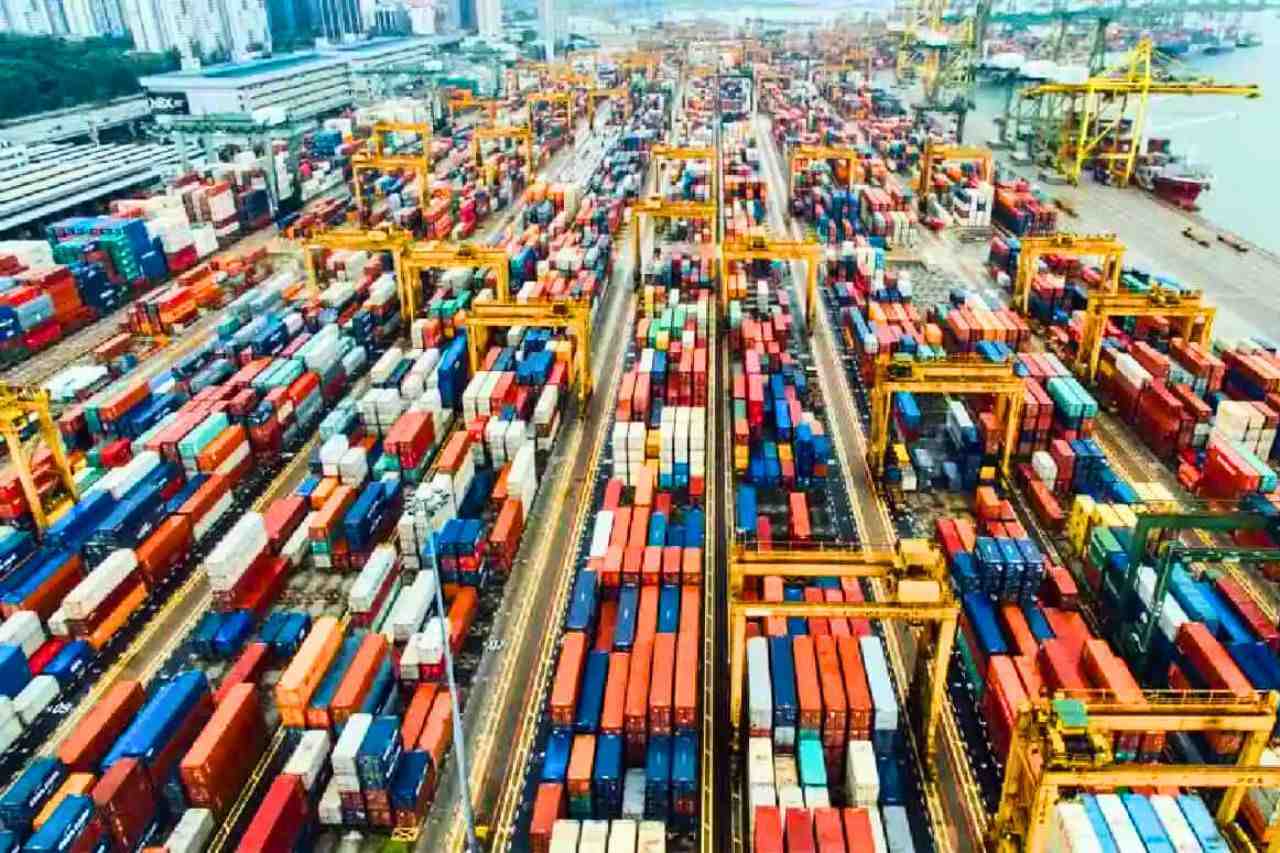
Containers in a port of Thailand.
The JSCCIB warned that exports could contract by 1.5% to 0.5% in 2026, due to:
- Trade wars
- Political uncertainty in key markets
- Tightening environmental regulations abroad
- Regional tensions such as the border conflict between Thailand and Cambodia
The most vulnerable sectors are chemicals, petrochemicals, electronics, automotive parts, and certain agricultural products.
Global Geopolitical and Trade Concerns

Flags of the countries of the world. Photo: 123ArtistImages
The Thai Chamber of Commerce, led by its president Poj Aramwatananont, has warned against a new source of volatility in global markets.
According to it, the appearance before an American court of the Venezuelan leader could disrupt the markets for oil, raw materials and agricultural products.
See: The Venezuelan crisis could lower the Thai baht
Although direct trade with Venezuela is limited, indirect effects could have an impact on the energy and agriculture sectors in Thailand, on business operating costs and on business planning.
The Chamber of Commerce has warned that an escalation of tensions could harm global economic stability and erode investor confidence.
It has urged Thailand to closely monitor the evolution of the baht, energy prices, and international financial markets.
It also recommends preparing mitigation measures now to protect the national economy.
The TNSC, chaired by Thanakorn Kasetsuwan, stressed that tensions between the United States and Venezuela are increasing geopolitical risks, affecting financial and energy markets, trade costs, and insurance premiums.
The TNSC indicated that, in the short term, these tensions are already leading to delayed investment decisions and increased uncertainty in global trade.
In the medium term, the organization fears potential disruptions to energy and raw material supply chains.
In the longer term, trends show a gradual shift from globalization to regionalization and "friend-shoring," with international politics increasingly influencing trade and investment.
The TNSC added that, while these events may not directly trigger a new trade war between the United States and China, they exacerbate tensions between major powers and increase uncertainty in global trade.
Recommendations for Thai exporters
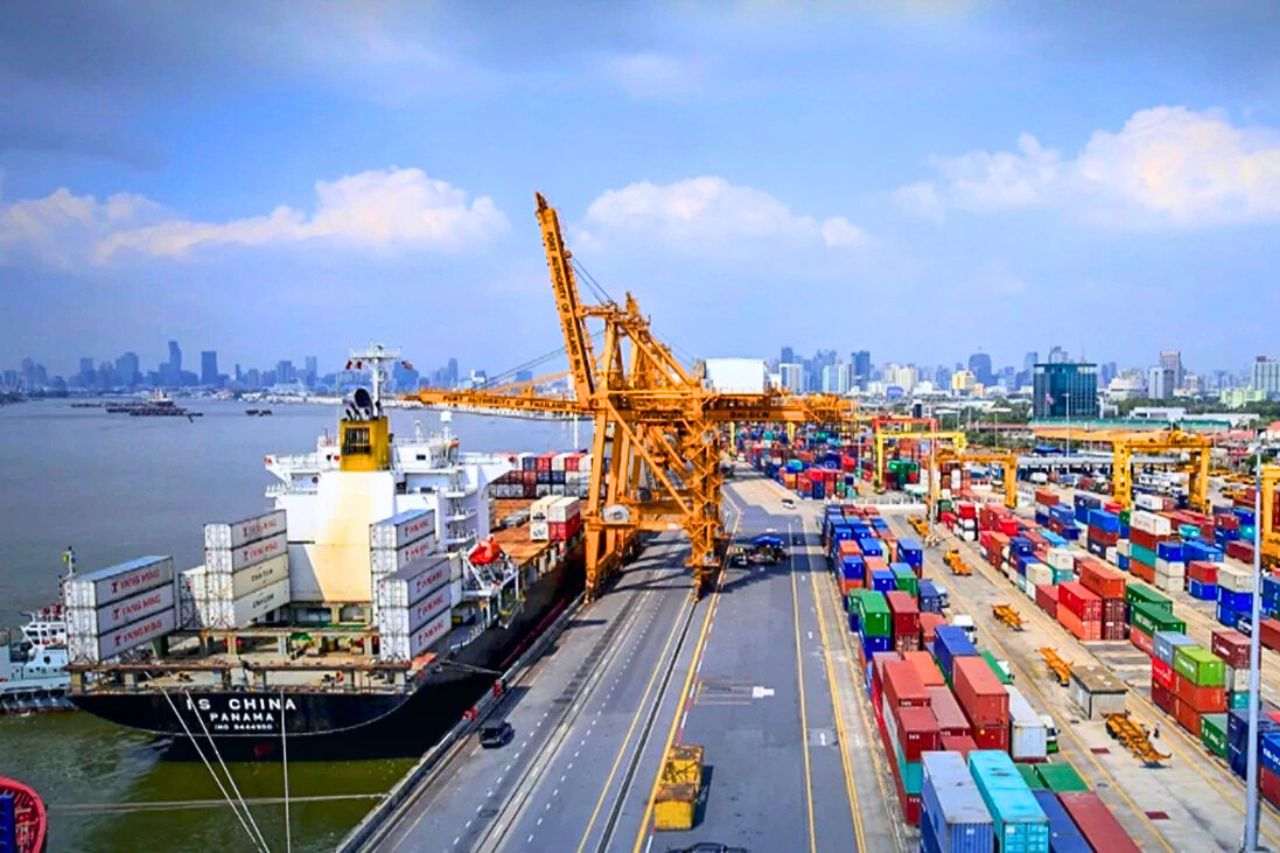
A ship loads containers in a Thai port. Photo: The Nation Thailand
The three organizations stress that Thai exporters should:
- Diversify their markets and business partners to reduce dependence on a single country
- Closely monitor geopolitical developments and trade measures
- Manage financial and energy risks, including currency fluctuations and logistics costs
- Maintain business flexibility through adjustable contracts or prices linked to market conditions
- Increase product value and target niche markets with growth potential
Recommendations for the government and policy measures

Thais in front of Sappaya-Sapasathan, the current Thai Parliament in Bangkok. Photo: The Nation Thailand
The FTI, JSCCIB, and TNSC recommend to the Thai government:
- To strengthen business intelligence, information systems and early warning mechanisms to help businesses manage risks quickly
- To expand and diversify export markets to reduce dependence on major traditional partners
- To ensure that energy and logistics costs remain competitive to support the competitiveness of exporters
- To support financial and monetary risk management tools for businesses
- To act proactively in international trade forums to protect Thailand's economic and commercial interests
- To accelerate industrial restructuring according to the BCG (Bio-Circular-Green) model, which includes eight target bio-industries: bioplastics, biofuels, biochemistry, biopharmaceuticals, functional and innovative foods, bio-textiles, cosmetics and biofertilizers
- To develop infrastructure in the areas of transportation, logistics, energy, and water management
- To emphasize the development of human resources through upskilling, reskilling, and training in STEM skills and future industry skills
Strategic Framework for 2026

Worker in a factory using a robotic arm and CNC machine for automated industrial production
The FTI recommends the CRS framework to guide Thailand:
- Competitiveness: promote innovation, technology adoption, global standards, and human resource development
- Resilience : diversify supply chains, restructure the economy and put in place mechanisms to cope with volatility
- Sustainability : pursue growth based on ESG criteria, circular economy practices, clean energy and achieve carbon neutrality by 2050
Coordinated action within the framework of the “ONE Thailand” concept aims to turn global pressures into opportunities.
These pressures include trade tensions, geopolitical risks and high market volatility.
The goal is to strengthen industrial competitiveness, ensure more stable growth and guarantee long-term economic sustainability.
See also:
2025, the year that shook Thailand: earthquake, scandals, war
Thailand's economy "on the brink"
Thailand's new plan for tourism and economic recovery
Source: Thai Enquirer
Prepare your trip to Thailand
Book bus, train, or boat in Thailand
Manage your money while traveling with Wise
If our news, tourist information, or cultural content has been useful to you and you'd like to thank us:
You can follow us on:
Twitter, LinkedIn, Facebook, Google News
Or install our app:
Install the Toute la Thaïlande app on your smartphone

1 comment
I quote: "The Thai Industry Federation (FTI), the Joint Standing Committee on Commerce, Industry and Banking (JSCCIB), the Thai Chamber of Commerce and the Thai National Shippers Council (TNSC) have issued assessments and recommendations." End of quote.
I note that all these recommendations are not only addressed to the various leaders of the industrial sectors and the companies concerned (in reality, to all Thai economic factors without exception!), but also, and I would say ESPECIALLY to the political leaders of the next government…
And I'm afraid that's where the shoe pinches and this government will be the weak link in this economic chain that can't afford to be broken by a lack of initiatives and skills…
And when we talk about skills among the political leaders of this country and how all parties and leaders combined have led the country for several decades, it's enough to make your flesh crawl thinking about the responsibilities of the members of the next government who will have to shoulder the economic and social burden of Thailand between 2026 and 2030.
It remains to be seen whether all these recommendations listed in this article are taken seriously by political circles and followed up with effective measures…
And that, that's another story…
When you read this article and analyze the work done by the reshuffled and dual-headed government between 2022 and today, I wonder if the FTI, JSCCIB, TNSC, the Chamber of Commerce on the one hand and politicians on the other hand, are in the same country…