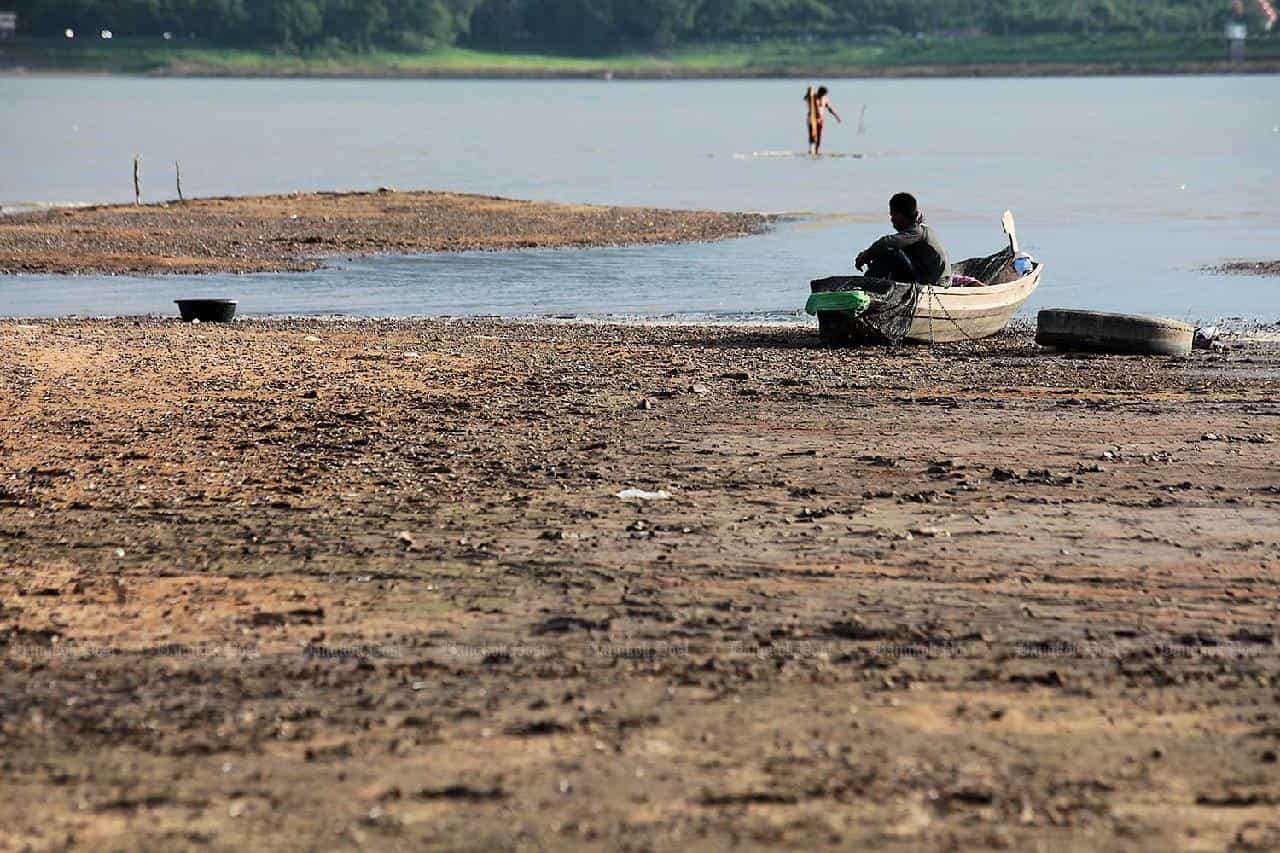
According to several experts, the El Niño phenomenon will highlight Thailand's lack of defenses against climate change.
Although the rainy season has begun in Thailand, the threat of prolonged drought and water shortages looms on the horizon due to El Nino.
The United States National Oceanic and Atmospheric Administration (NOAA), which monitors sea temperatures in more than 200 locations, expects El Nino to continue at least until February next year.
Associated with global warming, El Nino means that Thailand must prepare for a longer dry season, more frequent hot days and drought.
The East and South of Thailand will be the hardest hit.
What is El Nino?
It is a climatic phenomenon that recurs irregularly and generally lasts from six to 18 months.
It all starts with a decrease in winds over the Pacific Ocean, which leads to a rise in the surface water temperature.
This warming of the world's largest ocean has consequences for the entire planet through a kind of butterfly effect.
El Niño generally leads to a global increase in temperatures worldwide, causing heavy rainfall in America, Central Asia, and eastern Africa.
Conversely, it causes very severe droughts in Australia, Central America or in southern Asia.
The worst-case scenario: Double El Niño
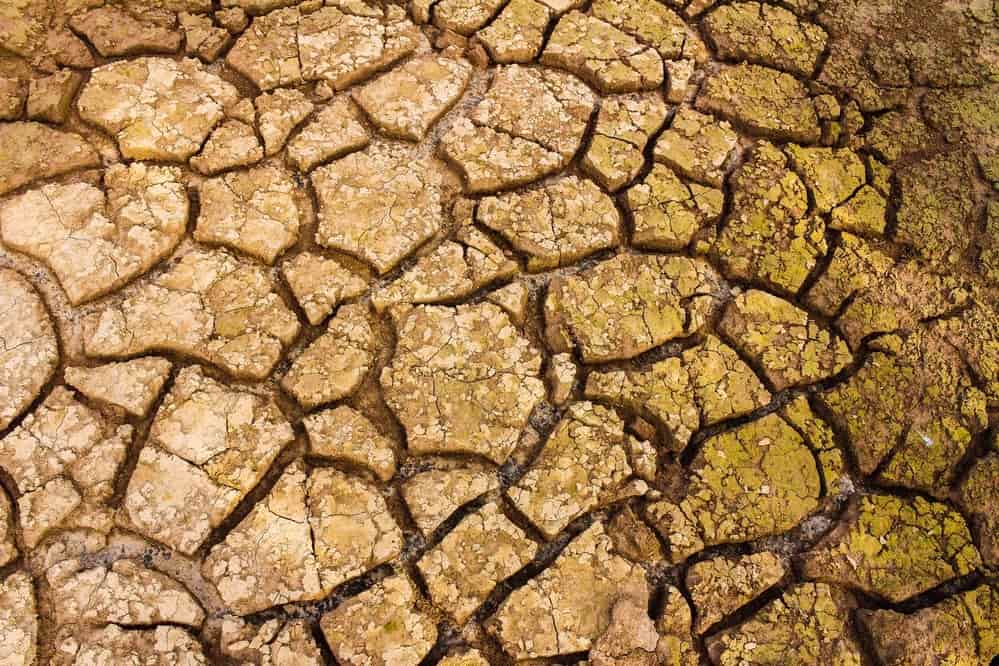
Dr. Thon Thamrongnawasawat, deputy dean of the Faculty of Fisheries at Kasetsart University, confirms that El Nino has already arrived.
On Facebook, he explains that the rainy season in the regions of North, Northeast and Central Thailand generally takes place in two phases.
“This year, the first phase has already been completed and rainfall was 20% below normal.”
The second phase is due to begin around mid-August, it is not yet known how much water the country will be able to store for the next dry season.
But the academic is convinced that water supply constraints will lead to a decline in agricultural yields for thirsty crops such as rice and sugarcane.
See: Thailand's drought threatens global rice and sugar supply
« The forecasts indicate that Thai farmers' income will decrease by 5% », said Mr. Thon.
According to the Economic Intelligence Center (EIC) of Siam Commercial Bank (SCB), the drought caused by El Nino will result in losses of more than 40 billion baht for the Thai agricultural sector.
Rice fields where rice is grown for the second harvest of the year are expected to be the most affected.
In the worst case, the damage could reach 63 billion baht.
Farmers are threatened

Thai Mueangthum, a 56-year-old rice farmer in Khon Kaen, continued to work in his rice fields as usual despite warnings about El Nino.
“It’s not that I ignore the warnings, but I don’t know what I should do.
I'm doing what I've always done over the past three decades », he said.
The Royal Irrigation Department released water from its dams for rice fields in April and May.
This means that the rice fields of the first crop season of this year could be spared from water shortages.
But farmers who plant rice for the second harvest risk seeing their crops dry out due to El Nino.
Chaowalit Simsuay, head of the Research and Development Institute at Buriram Rajabhat University, said that most farmers probably thought El Nino warnings were about the usual drought and therefore continued their usual practices.
In Uthai Thani province, water reserves are already low and local farmers are starting to worry.
For example, the water in the local Khlong Pho dike has dropped to a fraction of its normal level, with only 1.06 million cubic meters remaining to be distributed to local agricultural lands.
Manop Naruekhon, a rice farmer in Uthai Thani, said he had invested over 20,000 baht (519 euros) to prepare and plant his 3.04-hectare rice field and was now praying for rain.
“I use water pumps, but there is practically no water to pump,” he said.
Need for a proactive approach
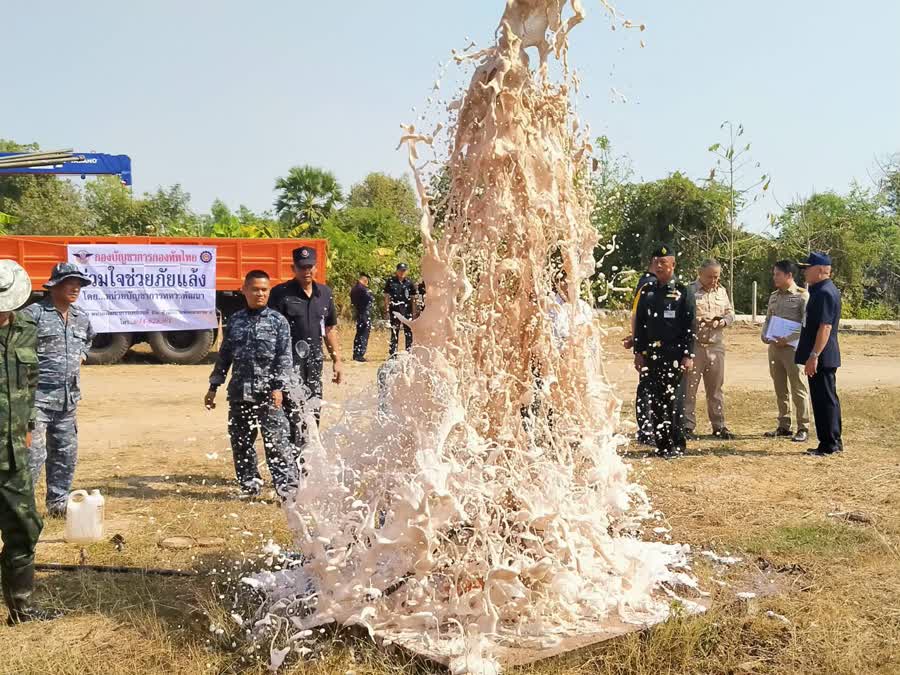
During the 2020 drought, the Thai military was mobilized to help the population and drill new wells.
Chaowalit complains that the authorities are too passive in water management, as the usual warnings and advice will not help farmers this time.
“The situation has changed.”
“If the government adopts the same approach, the damage will be inevitable,” he said.
Professor Witsanu Attavanich, a lecturer at the Faculty of Economics, Kasetsart University, and an expert on climate change, agriculture, environment, and food security, said that El Niño could last from seven to 19 months.
“So we can't really say whether El Niño will end early next year.”
“If the current El Niño is long-lasting, it could stay with us until 2025,” he said in a pessimistic tone.
Out of the 150 million rai (1 rai = 0.16 hectares) of agricultural land in Thailand, only 30 million are in irrigated areas.
Therefore, even if the Royal Irrigation Department manages water resources to support the agricultural sector, farmers outside the irrigated areas will be practically left to fend for themselves.
"Many farmers have dug wells and ponds to store water for use during the dry season.
"But with El Nino, the dry season can last a very long time and they may not have enough water to cultivate their land," explained the university professor.
Mr. Witsanu said the government should take a proactive approach by educating and supporting farmers.
It's not enough to issue warnings without giving advice on what farmers should do.
“It will be difficult for farmers to adjust and adapt on their own.”
They need guidelines and support », said Mr. Witsanu.
He also warned against the use of populist programs such as crop price guarantees or income guarantee promises, arguing that they would only prevent farmers from adapting to the changing situation.
"In the absence of appropriate adjustments, the damage will only worsen and the government will eventually have to pay more," he said.
“We will get better results if the government encourages farmers to adapt and develop immunity to the effects of climate change.”
A question that deserves to be on the national agenda
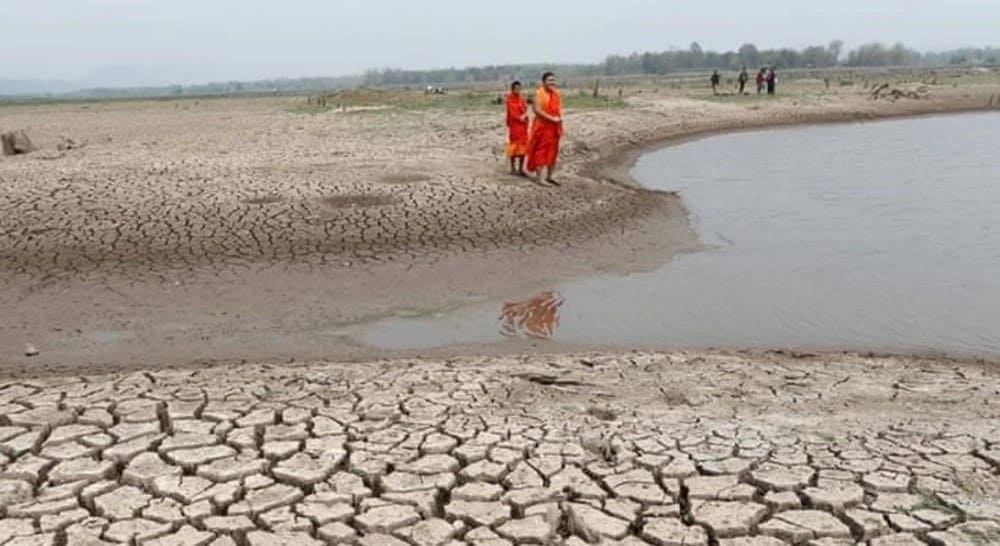
Photo: Nasa Earth Observatory
Mr. Witsanu said that climate change issues should have been on the national agenda for a long time, as they have an impact not only on agriculture but also on all other sectors.
“People's health is affected, as well as businesses,” he explained.
According to him, businesses whose employees have to work outside may have to reduce their working hours, as prolonged exposure to high temperatures can lead to injuries and illnesses.
The tourism industry is also at risk of collapsing as ecosystems deteriorate due to environmental warming.
The speaker said that if populist policies can make politicians popular, they can threaten the national interest.
Instead, government agencies need to work together on this issue, he added.
"Work plans should be integrated to combat climate change.
At present, the ministries are still working separately on climate change management.
He is also concerned that many ministries still do not give priority to issues related to climate change.
Because executives, whose mandate is generally two to four years, focus on tasks that are likely to produce tangible results more quickly than on climate change management efforts.
Witsanu added that Thailand still lacks research on plants and livestock affected by climate change.
Without this research, the country cannot formulate effective policies to manage the effects of climate change.
"It is high time that the government takes serious interest in climate change and changes its approach," he concluded.
Source: Thai PBS World
Prepare your trip to Thailand
Book bus, train, or boat in Thailand
Manage your money while traveling with Wise
If our news, tourist information, or cultural content has been useful to you and you'd like to thank us:
You can follow us on:
Twitter, LinkedIn, Facebook, Google News
Or install our app:
Install the Toute la Thaïlande app on your smartphone
⚠️ Cryptocurrencies involve risks: Invest only what you are willing to lose.
