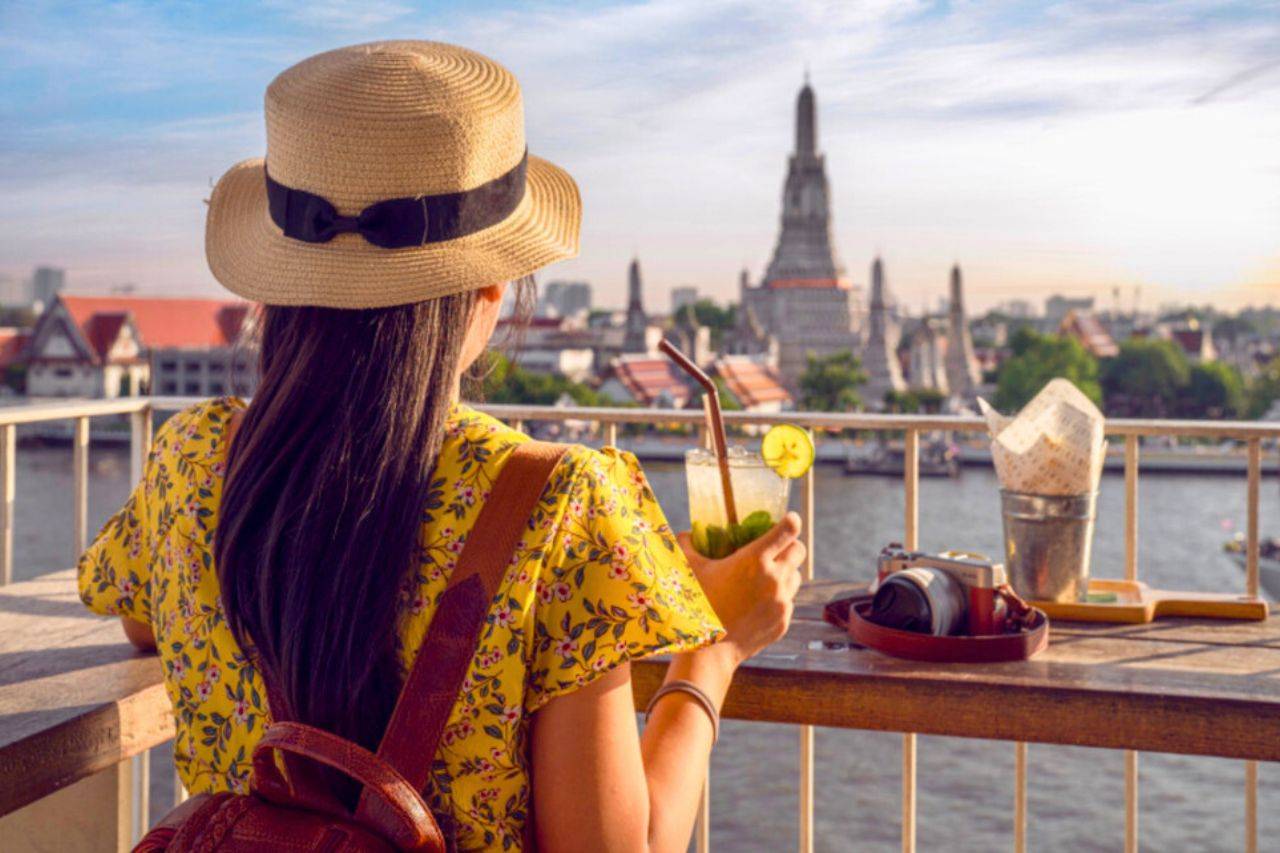
In 2026, Thais will favor micro-trips, well-being, gastronomy, and artificial intelligence according to Agoda.
The « 2026 Travel Outlook » report published by the digital travel platform Agoda reveals a shift in Thai tourism trends, with domestic travel now taking center stage.
This report is based on a survey conducted in October 2025 among 3,353 people from nine Asian markets: India, Indonesia, Japan, Malaysia, Philippines, South Korea, Taiwan, Thailand, and Vietnam.
The focus is no longer solely on the destination, but also on how to make the most of one's time.
Travelers now prioritize shorter and more flexible stays, while giving priority to relaxation, well-being, and culinary experiences.
The year 2026 will be marked by short but enriching getaways, allowing people to recharge physically and mentally in familiar but still captivating landscapes in Thailand.
The results, from a survey of Asian travelers, reveal that technology is quietly transforming the travel landscape, with artificial intelligence (AI) emerging as a reliable tool for trip planning.
Its early adoption hints at a future where AI will help create more personalized, smoother, and more enjoyable travel experiences, shaping the way Thais discover new destinations.
These new trends indicate that AI is poised to become a complementary tool that enhances decision-making during the planning process, helping travelers prepare their trips in a more organized, efficient, and personalized manner.
"Thai travelers are increasingly seeking domestic experiences that combine relaxation, wellness, and authentic local culture," said Akaporn Rodkong, Agoda's Country Director for Thailand.
"At Agoda, we understand that a trip is more than just a simple getaway: travelers want enriching experiences that nourish the body, mind, and soul."
Thais are among the most likely to travel domestically in 2026, just behind the Japanese.
The survey found that two-thirds of Thai travelers expect to explore Thailand more next year, highlighting the growing appeal of domestic destinations.
The rise of micro-trips and stays of 1 to 3 days
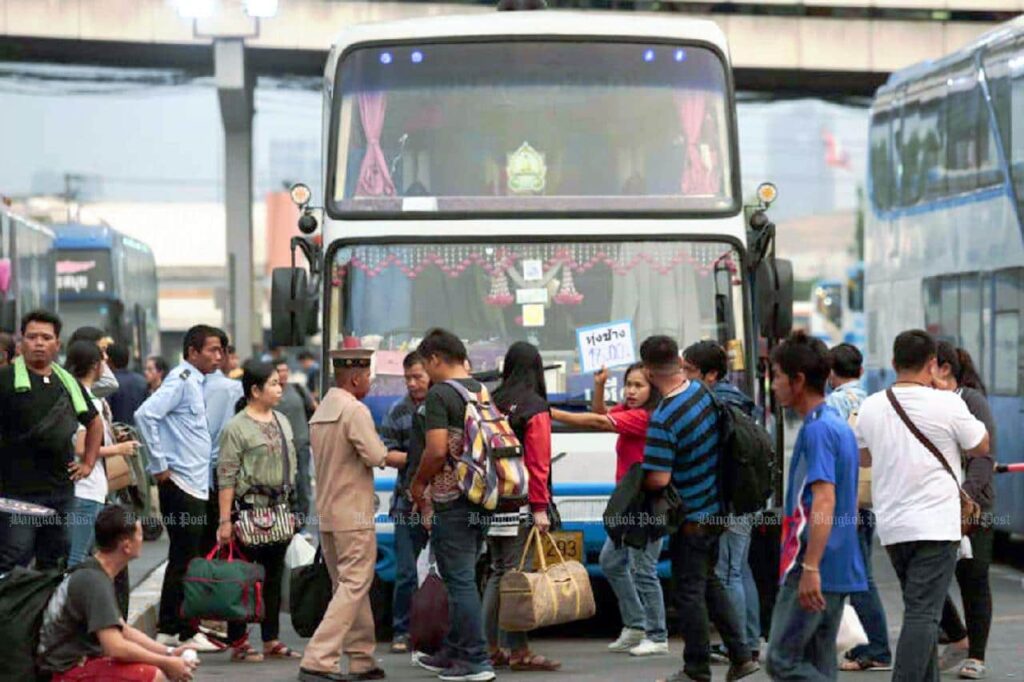
Mor Chit Bus Terminal in Bangkok. Photo : Bangkok Post
In addition, 56% of respondents plan to take short breaks of only 1 to 3 days, reflecting the rise of micro-trips.
From the energy of bustling cities to the charm of small towns and coastal villages, travelers venture beyond the usual tourist spots, even for short weekend getaways.
Relaxation, wellness, and health: the new travel motivations
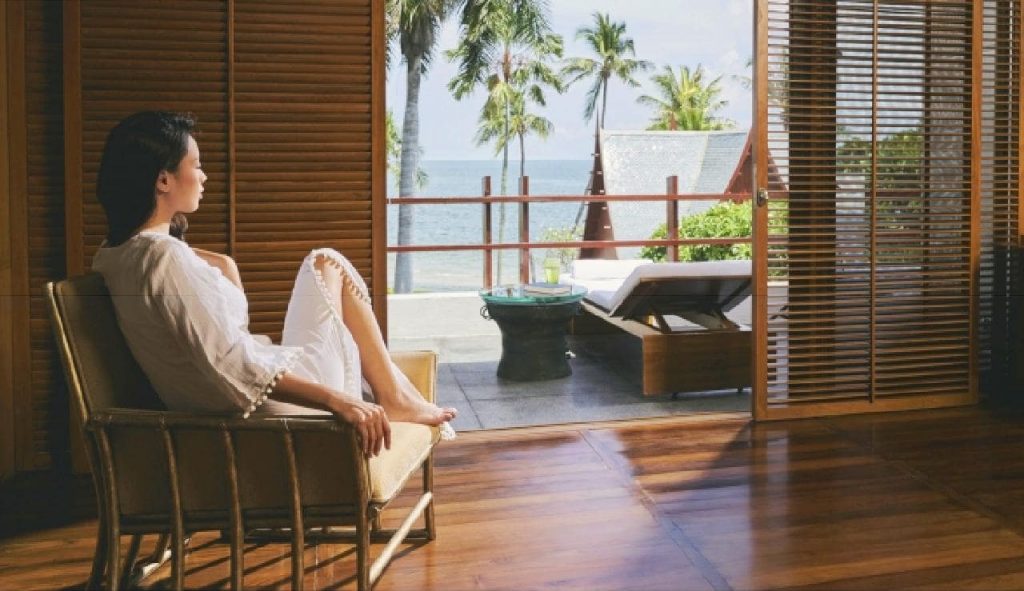
Chiva-Som Wellness Center in Hua Hin. Photo: Chiva-Som
Thai travelers choose to travel for three main reasons: relaxation, wellness, and health, and culinary experiences.
If relaxation remains the top priority, offering an opportunity to unwind and recharge, wellness and health follow closely.
Travelers are seeking stays that nourish both body and mind, from spa retreats in tranquil beach resorts or countryside to mindfulness and meditation programs in natural settings.
Local gastronomy at the heart of travel experiences in Thailand
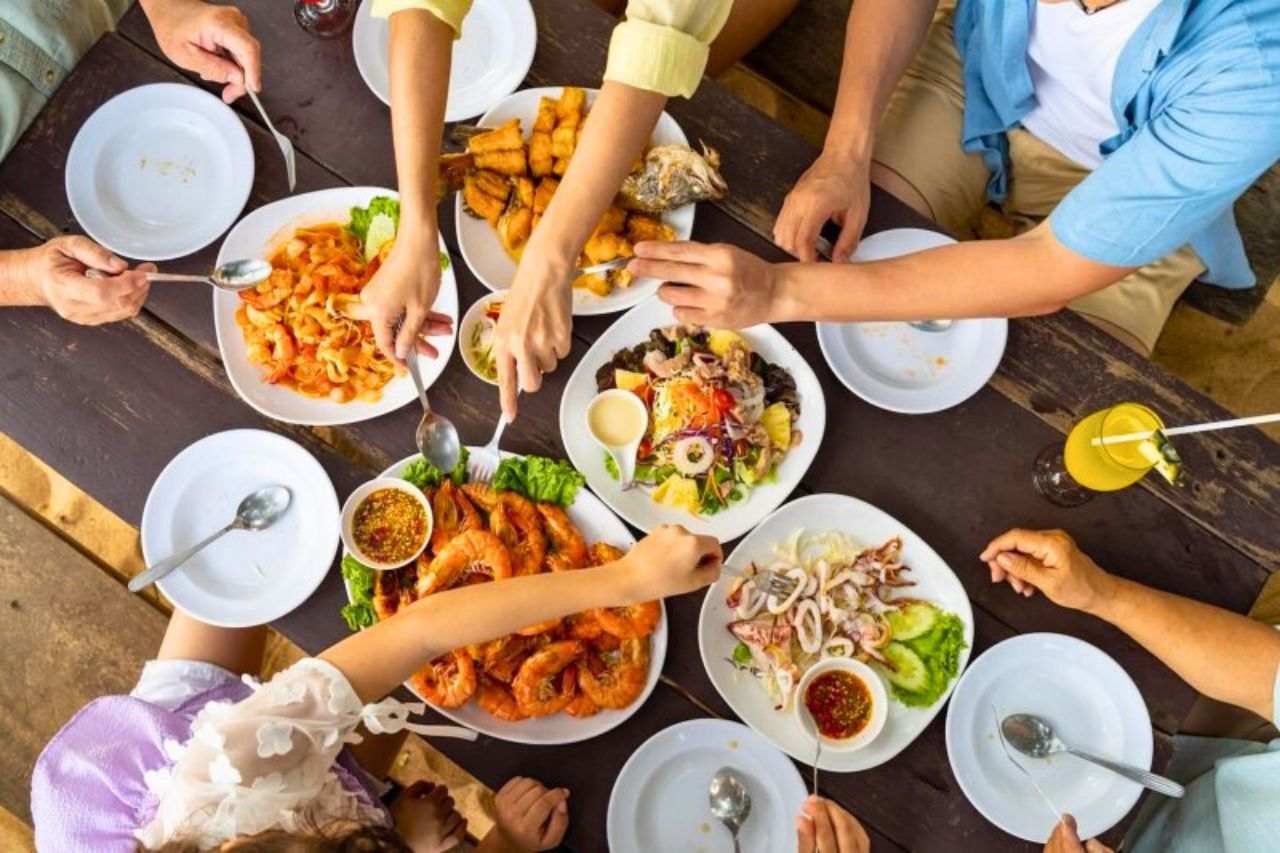
People around Thai dishes.
Culinary experiences occupy third place, gaining two places from last year, placing gastronomy at the heart of national exploration.
Whether it's savoring the khao soy of Chiang Mai and the river prawns of Ayutthaya or tasting local fruits such as mangosteen, durian or longan, travelers discover authentic flavors.
They immerse themselves in local cuisine, night markets and regional gastronomic culture.
Artificial intelligence is becoming essential in travel planning

Only 31% of Thai travelers use AI to plan their trips, but future travel plans indicate that 69% of them are likely to incorporate AI into their planning.
In addition, 57% said they trust AI-generated information.
Thai travelers are increasingly exploring how AI can help them with tasks such as discovering new places, overcoming language barriers and organizing the essential logistical aspects of their trip.
About 30% of respondents plan to use AI for practical functions such as finding accommodations, discovering local attractions and translating languages.
This highlights the emerging role of AI as a useful daily companion, enabling better-organized and better-prepared travel planning.
See also: An AI to help tourists during their trip to Thailand
- In 2026, Thais will increasingly favor domestic travel.
- Micro-trips of 1 to 3 days are becoming the new norm.
- Relaxation, well-being, and health are becoming major travel motivations.
- Local cuisine is gaining importance in tourist experiences.
- Artificial intelligence is gradually becoming more prevalent in planning stays.
See also:
Thailand: your plane ticket will cost more in 2026, here's why
Thailand: end of the ban on alcohol in the afternoon to boost tourism
Tourist security: Thailand launches its "Seal of Trust"
Thailand: hunting tourists by entering without a visa repeatedly
Thailand launches a plan to boost wellness tourism
Source: Agoda, Bangkok Post
Do you like Toutelathailande.fr?
👉 Leave us a review on Trustpilot.
Your review strengthens the credibility of our work and the trust of our readers.
Useful links to prepare your trip to Thailand
Book bus, train and boat in Thailand
Manage your money while traveling with Wise
If our news, tourist information, or cultural content has been useful to you and you'd like to thank us:
You can follow us on:
Twitter, LinkedIn, Facebook,Google News
Or install our application: Install the application of All Thailand on your smartphone

1 comment
I will leave aside Agoda's analysis of the statistics of international travelers, Asian, American and European to focus on the displayed preference of Thais regarding their choices of vacations and leisure…
The article seems to embellish the fact that Thais will "choose by taste" "enriching stays for body and mind" (relaxation, well-being, culinary art), mini-vacations reduced to 2 or 3 days, the time of a weekend extended by a Buddhist festival, a royal anniversary or a major national folkloric event, also limiting their travel to a few hundred kilometers from their home.
They will therefore, in 2026, limit their vacations to the national space, and abandon (except for certain middle and elitist classes with high salaries) vacations of one or more weeks in other Asian countries (Singapore, Japan, China), in France (Paris), UK (London), USA (New York). All well and good, this may, in the end, lead the Thai economy towards a possible general improvement of its domestic tourism, as many Chinese do by boycotting Thailand since the kidnappings of Burmese and Cambodian call centers…
But I think the deep reason for these choices is the fact that fewer and fewer Thais are devoting a substantial part of their salary to vacations in general and especially to expensive and even unaffordable stays for many, of one or several weeks abroad.
In the press and during economic analyses on the purchasing power and salaries of Thais, the official trend mentions a minimum wage of 400 baht per day, which corresponds to around 12 to 13,000 baht per month.
However, when I discuss with my partner, and taking the example of her family and friends, working mainly in agriculture (rice, corn) or the transport of goods or materials, she affirms that these workers, mostly independent, earn between 50 and 100,000 baht per month!!!
So, one of two things: either the Thais are busy fattening their savings and financial mattress by saving a maximum and depriving themselves of expensive vacations, or these examples constitute a minority of workers who manage their finances like 'good fathers of families'...
Be that as it may, I come to the conclusion that more and more Thais today earn as much, if not more, than an average pensioner, 'farang', which was absolutely not the case 10 or 15 years ago!!!
It is true that, since the post-covid era, the cost of living has been rising quite明显 in the country, despite the fact that inflation has been reduced to its simplest expression, that wages are stagnant, but that the prices of many economic sectors, even those of basic consumption, tend to rise, slowly but steadily…
From there to speculate that the Thai people's choice of "micro-holidays" is more the result of a desire to limit their leisure spending, rather than a sudden increased interest in exponential nationalism, is just a step that the farang that I am, with his particular spirit, would tend to take…