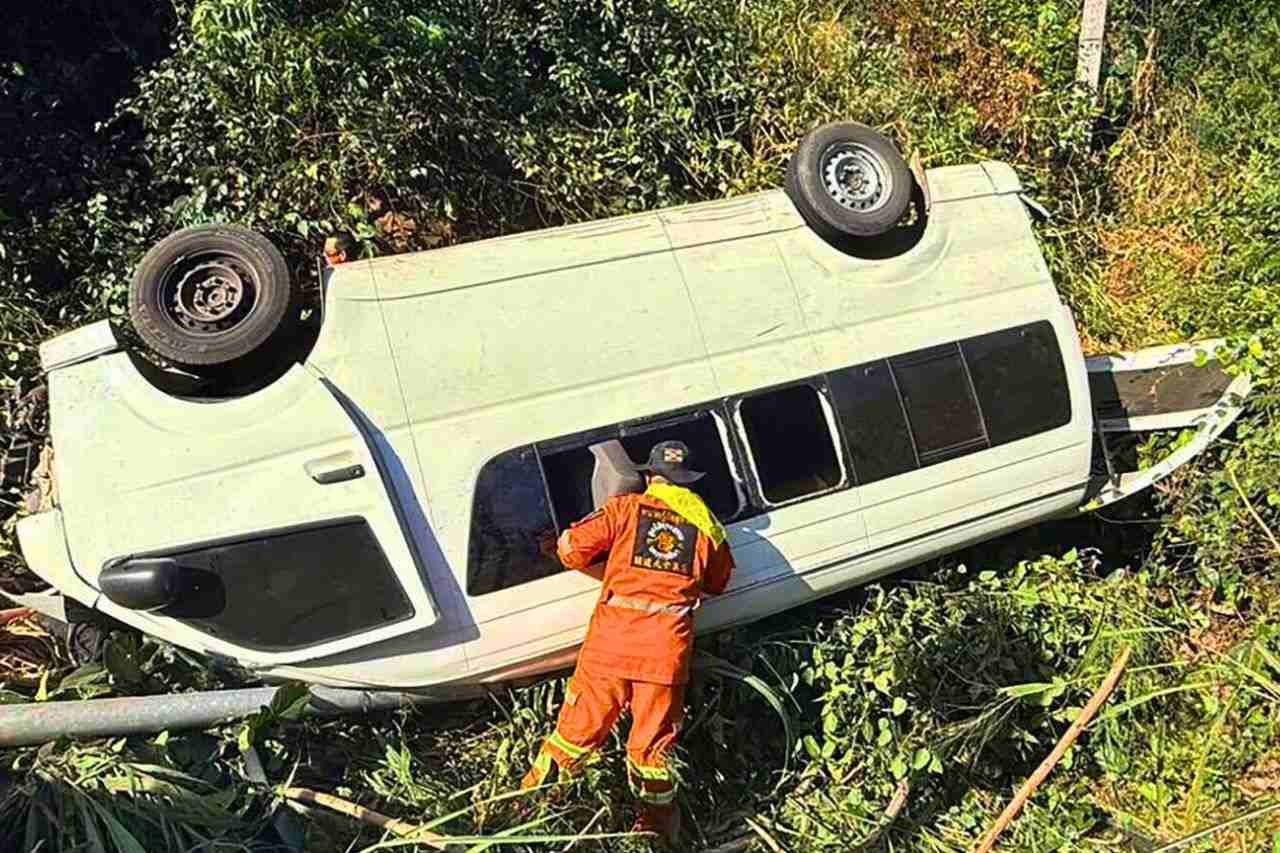
For many foreign tourists, the biggest danger in Thailand is not crime, illness or scams, but the road.
- The road is the main danger for tourists in Thailand, ahead of crime or scams.
- Long night journeys, driver fatigue and poorly regulated minibuses multiply the risks.
- The fatal accident in Wang Nam Khiao illustrates the structural failings of tourist transport.
- Mountain roads like Highway 304 remain among the most dangerous in the country.
Despite the image of a relaxed vacation paradise that the country projects, Thailand regularly ranks among the deadliest countries in the world in terms of road accidents.
See: Road accidents in Thailand cause 48 deaths per day
Long nighttime journeys, exhausted drivers, poorly regulated minibuses, and hazardous mountain highways make up a risky cocktail that visitors rarely understand until it's too late.
The Wang Nam Khiao accident reveals the flaws in tourist transportation
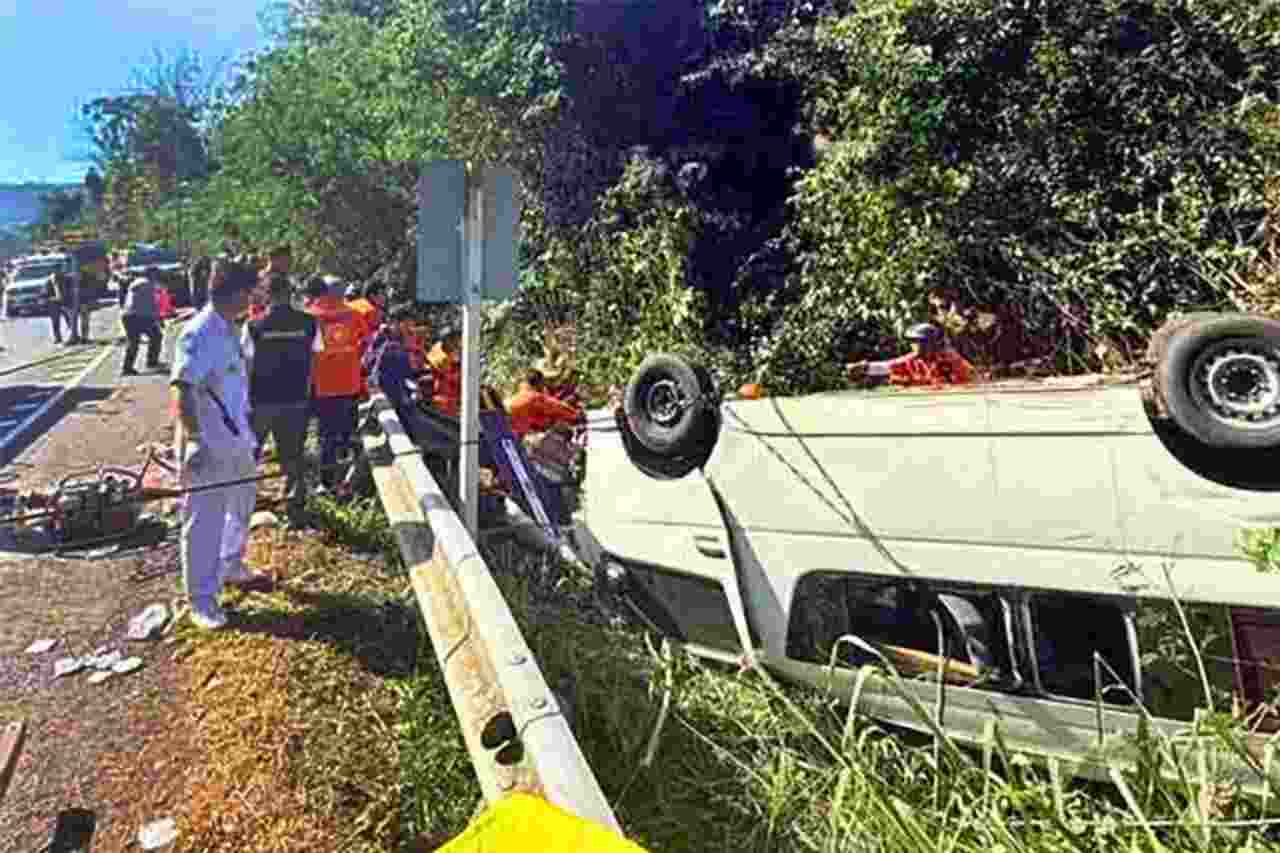
Accident on the Wang Nam Khiao road in Nakhon Ratchasima (Korat) province in northeastern Thailand.
The Wang Nam Khiao accident, which occurred on January 5, is a typical example.
A non-scheduled passenger van left Pattaya before dawn, traveled over 200 kilometers, stopped briefly, and then continued on one of the most dangerous downhill curves on Highway 304.
The driver subsequently admitted to having fallen asleep at the wheel.
Two passengers died, and fourteen were injured.
For foreign tourists, this scenario is deeply disturbing, as it seems systematic and not exceptional.
And this is not just about minibuses, see:
Public bus accidents in Thailand increase by 46.5%
Non-scheduled minibuses: exhausted and poorly supervised drivers
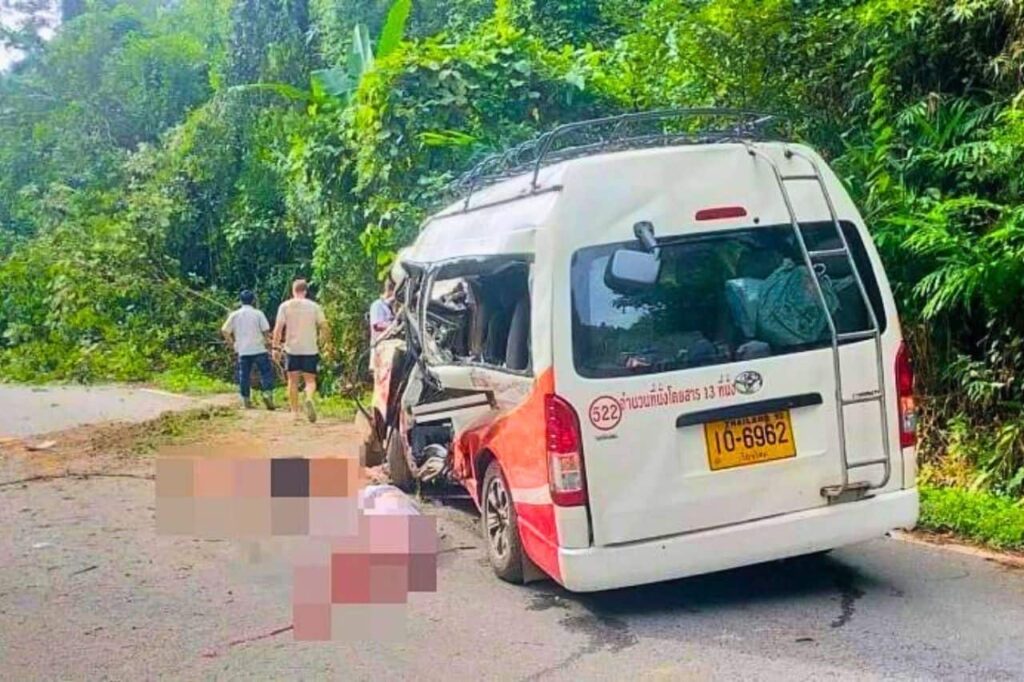
Minibus accident in Chiang Mai in November 2023. Photo: Mgronline
Many visitors assume that professional drivers are strictly regulated, well-rested, and professionally monitored.
In reality, non-scheduled minibuses often operate in a gray area: long working hours, passenger-based wages, minimal rest, and routes that include some of Thailand's most dangerous terrain.
And that's not to mention the drivers who use drugs like Yaba (methamphetamine) to fight fatigue.
Mountain roads like Highway 304, particularly in areas such as Wang Nam Khiao, are notoriously famous, even among locals.
Tight downhill turns, high speeds, heavy trucks, and fatigue combine to form a deadly cocktail.
Warning signs exist, but law enforcement, speed monitoring, and driver fatigue checks remain insufficient.
What tourists discover too late about Thai roads
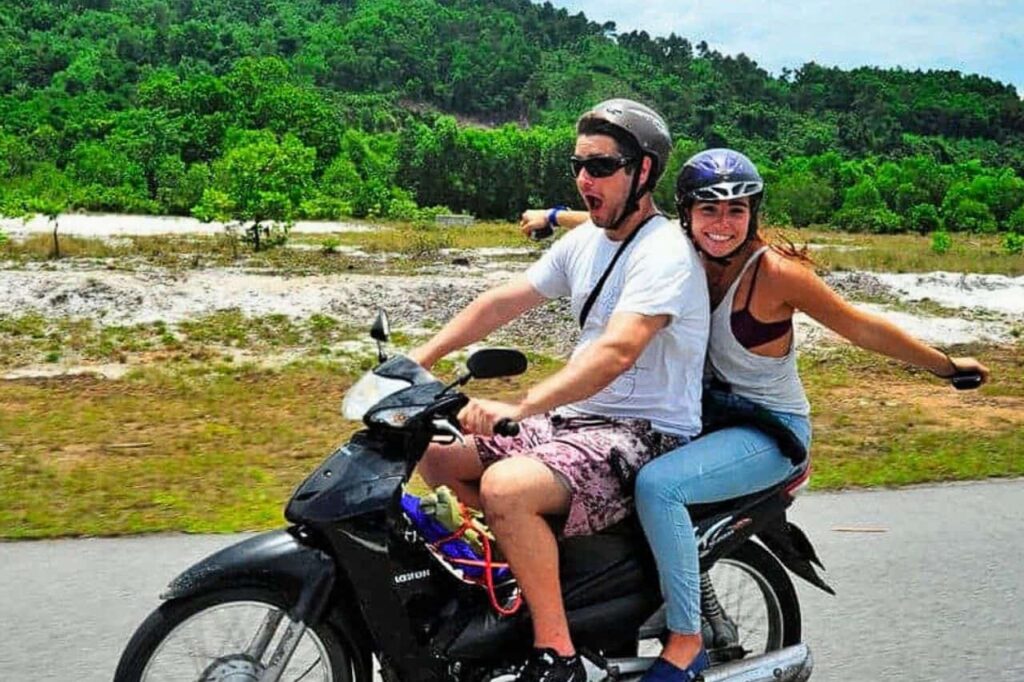
Tourists on a motorcycle in Thailand. Photo: Nomadtrips
For foreigners, especially those visiting the country for the first time, awareness comes late:
The most dangerous part of a stay in Thailand may not be the nightlife or adventure sports, but the journey between different destinations.
As long as drivers' working hours are not strictly controlled, dangerous routes are not redesigned, and transportation is not properly regulated, the number of road deaths will continue to haunt locals and tourists.
They are the ones who entrust their lives to this system every day.
And when the accident involves a rental vehicle and the traveler does not have solid personal insurance or their coverage is refused, the drama goes beyond just injuries.
The nightmare also becomes financial: private hospital fees, very high, can quickly reach unsustainable amounts for foreigners without insurance.
See: In Thailand, even a minor accident can cost a fortune and GoFundMe pays the bill
Source: Pattaya Mail
Prepare your trip to Thailand
Book bus, train, or boat in Thailand
Manage your money while traveling with Wise
If our news, tourist information, or cultural content has been useful to you and you'd like to thank us:
You can follow us on:
Twitter, LinkedIn, Facebook, Google News
Or install our app:
Install the Toute la Thaïlande app on your smartphone

1 comment
More specifically, the working conditions of drivers of passenger transport vehicles (from mini-buses with 10/12 people to buses and coaches with up to 52/60 seats) as well as the maintenance and technical maintenance of these vehicles, all of this is effectively the subject of laxity on the part of the responsible authorities, technical control infrastructures and their personnel, some of whom allow themselves to be corrupted by a few bills to turn a blind eye to prohibited modifications or lack of necessary repairs…
You just have to realize it when you pass with your own car during the annual inspection for cars over 7 years old…
To attend, I saw tourist coaches enter and exit their inspection in less than 15 minutes, while in our country, it takes around 40 to 50 minutes per vehicle with many more inspection points and stricter controls, and non-compliance refusals are much more frequent…
Another aspect, among many others, of the situations that cause between 23,000 and 30,000 deaths each year on Thai roads…
No fundamental changes on the horizon to address the many shortcomings regarding road safety will be taken by the next government and its future Minister of Transport…
I would bet my life on it !!!