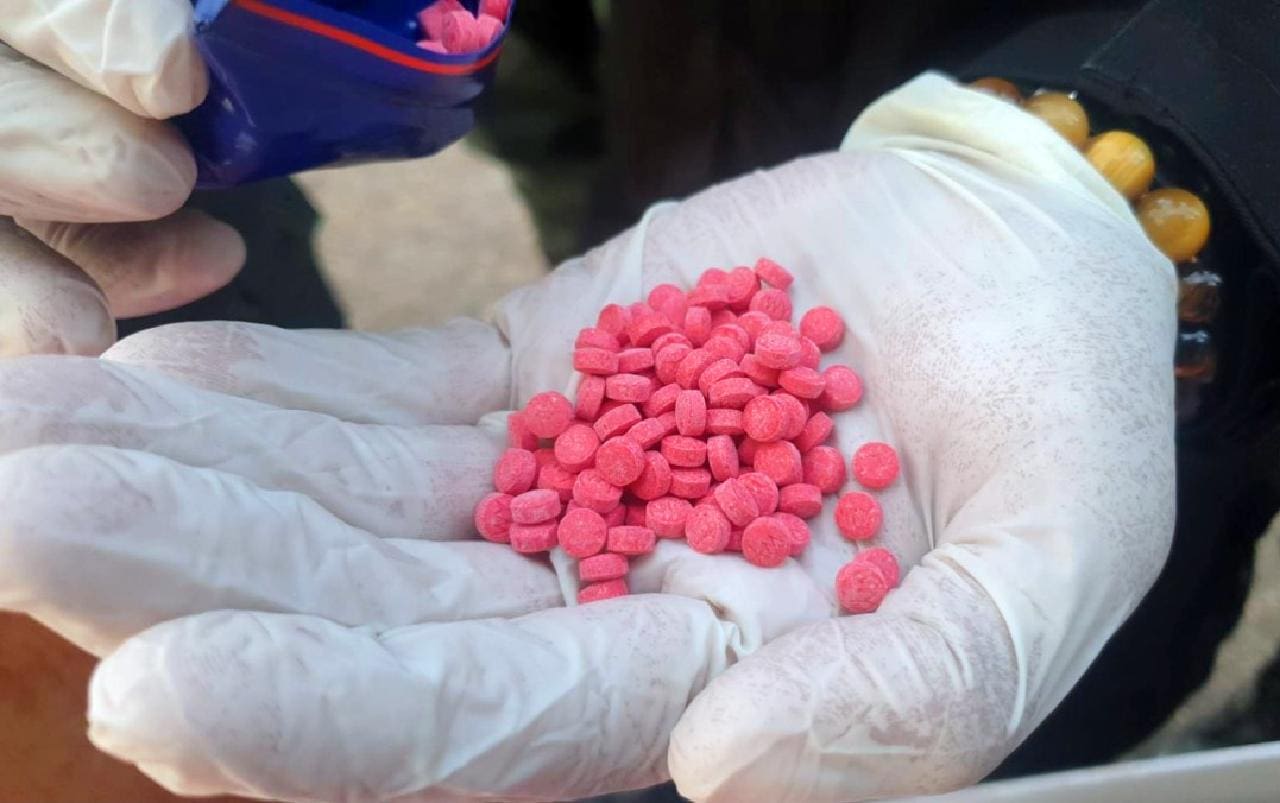
Once marketed as a worker's aid, yaba now fuels one of Thailand's worst drug crises.
Repressive measures alone have proven powerless to put an end to it.
In the towns and villages of Thailand, a small, brightly colored pill is quietly destroying communities.
Known as yaba — literally 'crazy drug' — these methamphetamine and caffeine tablets have become one of the country's most pressing health emergencies, affecting all social classes, ages, and regions.
For decades, this story has been told through the prism of the police: record seizures, border repression, and the troubled geopolitics of the Golden Triangle.
But behind the statistics hide individuals in crisis, families pushed to the limit and a healthcare system struggling to keep up.
See also: Destroyed lives, overcrowded prisons: the hidden cost of ya ba, methamphetamine in Thailand
Menu
From essential product in service stations to criminal commodity
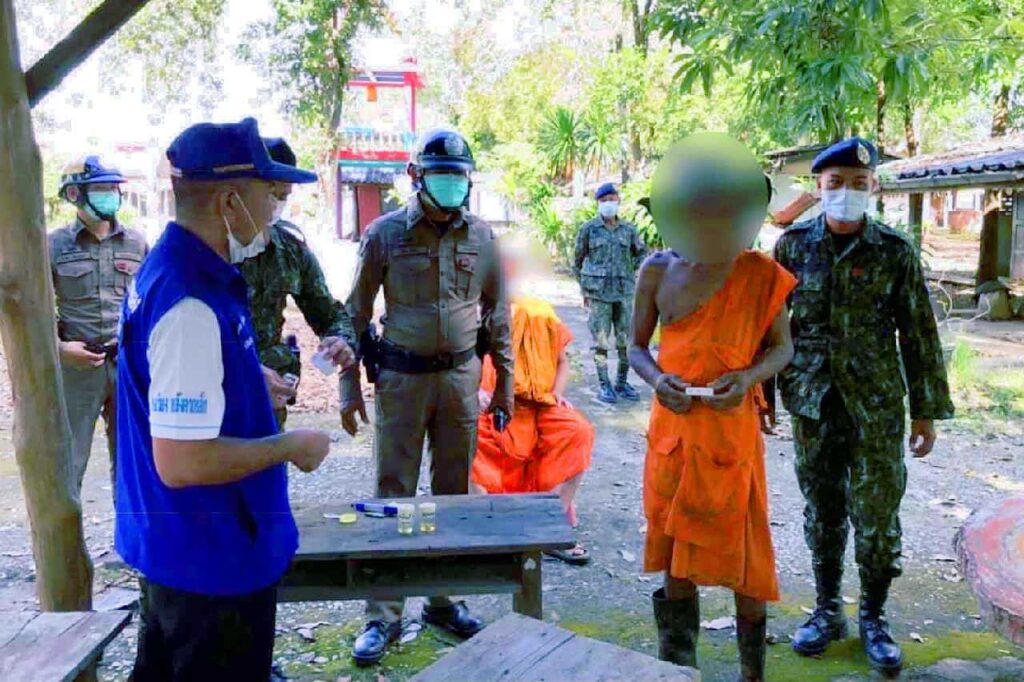
Monks at a temple in Bung Sam Phan district all tested positive for yaba and were forced to leave the monastery. Photo: Sunthorn Kongvarakhom
Methamphetamine first appeared in Thailand in the 1960s, not as a contraband substance, but as a legal product.
Sold under the name ya-khayan — the « drug of diligence » —, it was available at service stations and rural stores.
For truck drivers, fishermen, and farm workers, it was a practical tool: a means of meeting the rigorous demands of a rapidly industrializing economy.
The government banned it in 1970, but its grip on certain professions persisted.
In the mid-1990s, the profile of users had changed radically.
A younger, more urban generation had begun using the drug, not out of physical necessity, but due to social pressure and, for some, as a means of managing their anxiety and emotional distress.
In 1996, the authorities attempted to change the public's attitude by officially renaming the drug 'yaba', with the deliberate aim of highlighting its link to psychosis and erratic behavior.
The stigmatization campaign has had a limited effect.
A crisis fueled by the other side of the border
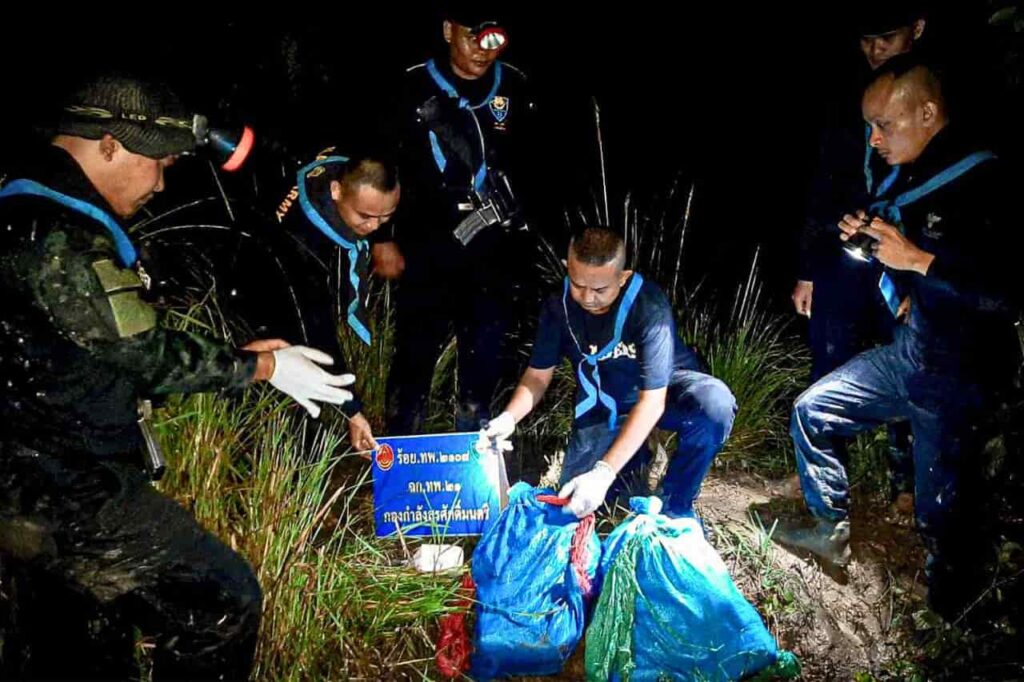
Forest rangers discover bags of drugs in an area near the border between Thailand and Burma
The constant flow of yaba into Thailand is inextricably linked to the Golden Triangle, a border area between Thailand, Myanmar, and Laos.
Once synonymous with opium, this area has transformed into a global center for the production of synthetic drugs.
Methamphetamine is now the drug of choice: cheaper to manufacture, more profitable, and not subject to seasonal harvests.
Industrial-scale laboratories located in the conflict-ridden Shan State of Burma, operating in areas outside government control, produce pills with impunity.
The figures are staggering.
According to the United Nations Office on Drugs and Crime, a record 236 tons of methamphetamine was seized in East and Southeast Asia in 2024, an increase of 24% from the previous year, with the Mekong subregion alone accounting for 200 tons.
Thai authorities seized a record 139 million yaba pills in the same year.
However, repressive measures are always lagging behind production.
When one trafficking route is closed, another appears.
A pill typically costs a few cents on the street in some areas, making it accessible to the most vulnerable.
A healthcare system under pressure
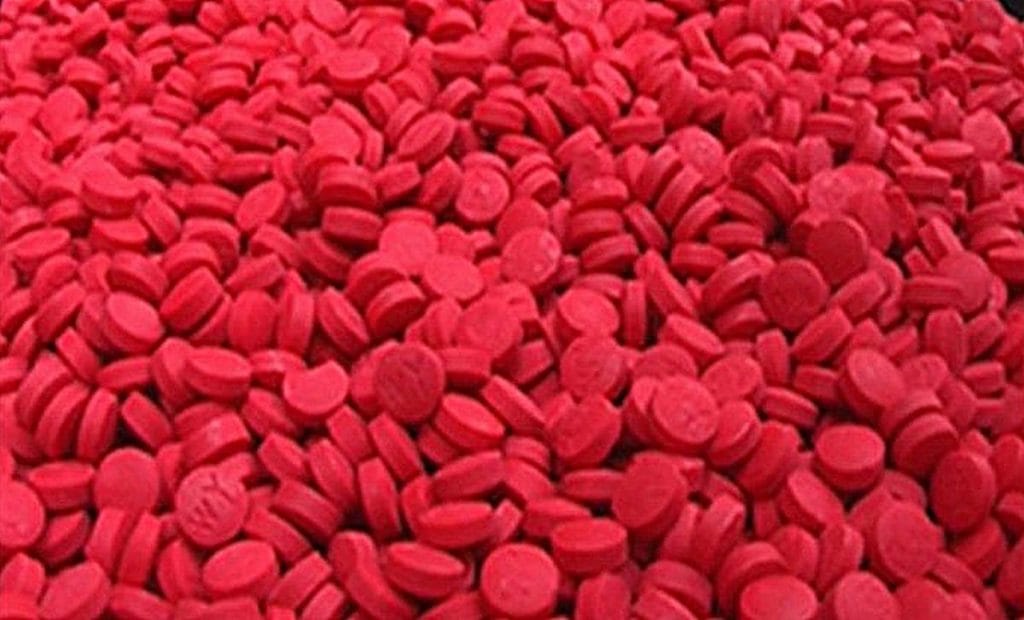
Yaba pills, methamphetamine sold in Thailand.
Thailand's official response has combined strict repression with timid public health reforms.
A policy allowing possession of a maximum of five pills — intended to separate consumers from traffickers — marked a shift towards treating addiction as a health issue, although this measure is still under review.
But treatment infrastructure has not kept pace with demand.
The country has only 1.28 psychiatrists and 1.57 psychologists per 100,000 inhabitants, which is well below the global average.
Waiting times for psychiatric care in public hospitals can stretch over several months.
In the absence of adequate services, some families have turned to detoxification programs offered by temples, community-based but lacking clinical supervision or evidence-based methods.
Punishment alone is not enough
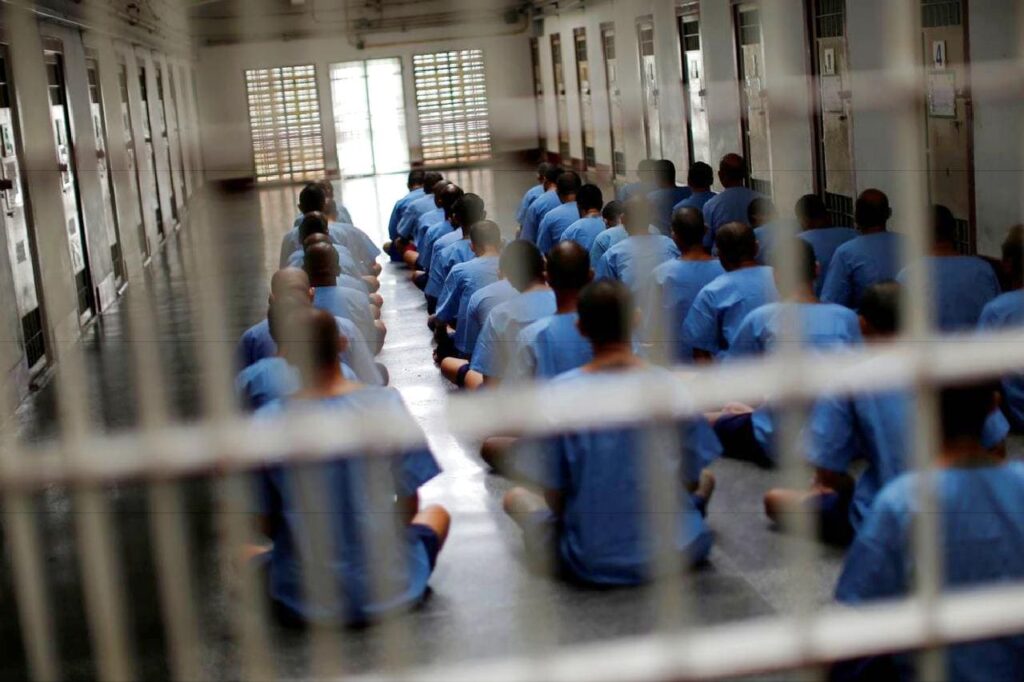
Prisoners in a Thai prison. Photo: Thomson Reuters Foundation
The challenge facing Thailand is deeply rooted.
The Golden Triangle shows no signs of reducing production, with law enforcement victories quickly offset by the considerable volume of supply, and the public health system remains underfunded.
It is clear that a response based primarily on punishment cannot resolve a crisis that is rooted in social pressure, mental health, and economic vulnerability.
The way forward will require sustained investment in evidence-based treatments, as well as the willingness to address people caught up in drug addiction with the same seriousness as other public health emergencies.
Without massive investment in mental health and prevention, Thailand risks continuing to be behind a crisis that is renewing itself faster than it is being resolved.
Frequently Asked Questions
What is yaba drug?
Yaba is a form of methamphetamine mixed with caffeine in tablet form.
It is commonly produced and trafficked in Southeast Asia and is known for its stimulant effects, including increased energy, alertness, and euphoria.
Why is yaba considered highly addictive?
Yaba strongly affects the brain's dopaminergic system, which regulates pleasure and motivation.
Repeated consumption reduces the brain's natural ability to manage mood and stress, leading to tolerance, dependence, and intense cravings.
How is yaba typically consumed?
Yaba is most often crushed and smoked, but it can also be swallowed or, more rarely, dissolved and injected.
Smoking it allows the drug to reach the brain quickly, increasing both its intensity and addictive potential.
What are the health risks associated with yaba consumption?
Yaba use can lead to heart problems, hyperthermia, paranoia, hallucinations, anxiety, and aggressive behavior.
Long-term use is associated with cognitive impairment, dental damage, malnutrition and serious mental disorders such as psychosis and depression.
Can yaba addiction be treated effectively?
Yes. Treatment typically involves medically supervised detoxification if necessary, followed by structured therapy to address psychological dependence and underlying mental disorders.
Evidence-based approaches, such as cognitive-behavioral therapy and trauma-focused therapies, are commonly used in recovery programs.
Where can one get professional help to treat yaba addiction in Southeast Asia?
Specialized centers in Southeast Asia treating addiction offer comprehensive care for stimulant dependence.
The use of professional support significantly increases the chances of long-term recovery.
See: The Best Rehabilitation Centers in Thailand
See also:
Methamphetamine use is increasing in Thailand as prices fall
All monks of a temple in Thailand tested positive for meth
How can Thailand win its war on drugs?
References
● Journal of Adolescent Health – Initiation to methamphetamine use among young Thai addicts: a qualitative study
● United Nations Office on Drugs and Crime (UNODC) – Current situation regarding regional and sub-regional cooperation to combat the global drug problem
● International Criminal Police Organization (INTERPOL) – An international operation seizes $1.05 billion worth of synthetic drugs
● United Nations – The yaba, the "mad drug" of East Asia
● ISEAS – Thailand's Lost Youth: Mental Health Crisis and the Price of Political Neglect
Source: The Nation Thailand
Notice to Adblock users
Toutelathailande.fr is an independent media outlet financed solely by advertising.
Automatic and intrusive video formats have been removed for several months to improve your reading comfort.
If our articles are useful to you, you can support the site by disabling your blocker for this domain.
Useful links to prepare your trip to Thailand
Book bus, train and boat in Thailand
Manage your money while traveling with Wise
You can follow us on:
Twitter, LinkedIn, Facebook, Google News
Or install our app:
All Thailand Application on your smartphone
